Dental Disease in Dogs: Symptoms, Treatment & Prevention
When it comes to dental disease dogs, if you’ve ever caught a whiff of your dog’s breath and thought “yikes,” you’re not alone. Dog mouths are busy places—chewing, catching toys, tasting the world—and that constant action can set the stage for dental trouble over time. The good news? With a little know-how and regular care, you can help protect your dog’s mouth (and your nose) while keeping them comfortable for all their snack-time smiles.
In this guide, we’ll calmly walk through dental disease basics, what to watch for, how veterinarians check things out, and practical ways to care for your dog’s teeth at home. We’ll weave in where your veterinarian may step in, and where simple daily habits can make a big difference. Consider this your friendly PetNerdHQ primer on dental disease in dogs: symptoms, treatment & prevention—minus the stress and with just enough nerdy detail to feel confident.
Related Articles You Might Enjoy
Signs and Symptoms to Watch For Dental Disease Dogs

Dogs can be sneaky about mouth pain. Subtle changes often show up before obvious ones. Keep an eye (and nose) out for:
- Persistent bad breath that doesn’t improve with brushing or diet changes
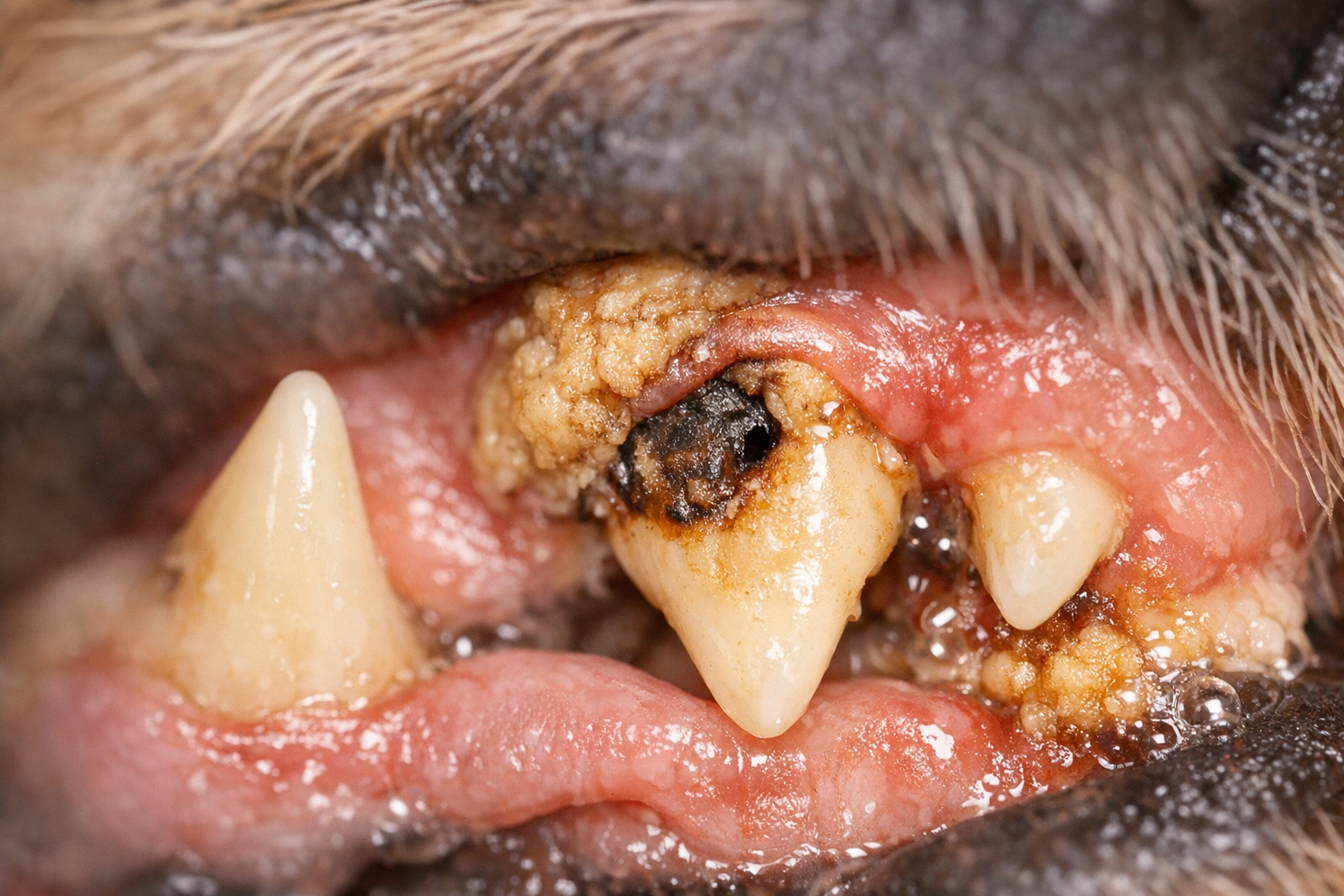
- Yellow-brown buildup on teeth (especially the big upper back teeth)
- Red, swollen, or bleeding gums—sometimes noticed on toys or after chewing
- Favoring one side while chewing, dropping food, or eating more slowly
- Pawing at the mouth or rubbing the face
- Reluctance to play with chew toys or pick up balls
- Excessive drooling, sometimes with a tint of blood
- Loose, missing, or broken teeth
- Swelling under the eye (can indicate an upper tooth root issue)
- Unilateral nasal discharge with odor (can occur with oronasal fistulas from dental disease)
- “Grumpy” behavior changes or decreased interest in meals
- Weight loss over time without an obvious cause
Any sudden change—like visible swelling, acute mouth pain, difficulty opening the mouth, or refusal to eat—deserves prompt veterinary attention.
Common Causes and Risk Factors for Dental Disease Dogs

Dental disease builds gradually, influenced by biology, habits, and sometimes luck. Common contributors include:
- Time and plaque: Plaque starts forming quickly after meals. Without brushing or dental aids, it hardens into tartar, and bacteria begin irritating the gums and deeper tissues.
- Breed and skull shape: Small and brachycephalic (short-nosed) breeds—think Yorkies, Chihuahuas, Maltese, Shih Tzus, Pugs, Frenchies—often have crowded teeth, which trap debris. Greyhounds and other sighthounds can also be prone to heavy tartar and gum recession.
- Age: The longer the mouth has to collect plaque, the more likely disease becomes. Middle-aged and senior dogs commonly show signs unless they’ve had consistent dental care.
- Retained baby teeth and malocclusions: Extra or misaligned teeth create tight nooks where plaque thrives.
- Chew habits and toys: Very hard chews (antlers, real bones, hooves, hard nylon) can fracture teeth. On the flip side, dogs with nothing safe to chew may develop more plaque.
- Systemic health: Illnesses that affect immune function or saliva quality may influence oral health. Your veterinarian may consider these during an exam.
- Home care routines: Brushing frequency, type of dental chews, and professional care intervals all change the trajectory of dental health.
- Diet texture and formulation: Some diets are designed to mechanically and chemically reduce plaque; others may stick to teeth more readily.
Genetics also play a role. Two dogs in the same household, eating the same food, can have very different oral outcomes based on tooth shape, spacing, and saliva chemistry.
How Vets Diagnose It for Dental Disease Dogs
A vet visit often starts with a gentle conversation and a careful look. A vet may evaluate your dog’s breath, gum color, visible tartar, fractured or worn teeth, and mouth soreness during a routine wellness exam. From there, your veterinarian may recommend a professional dental procedure with the following steps:
- Pre-anesthetic assessment: Physical exam and appropriate lab work help tailor anesthesia and pain management to your dog’s needs.
- General anesthesia: Most meaningful dental care happens under anesthesia. It allows the team to clean below the gumline, take full-mouth dental radiographs (x-rays), and treat painful issues safely and thoroughly.
- Dental charting and probing: Each tooth is assessed, gum pockets are measured, and findings are recorded tooth by tooth.
- Dental radiographs: X-rays reveal hidden problems: bone loss, tooth root abscesses, retained roots, or resorptive lesions that can’t be seen on the surface.
- Staging: Based on findings, periodontal disease may be staged to help guide treatment and follow-up plans.
Your veterinarian may also rule out lookalikes such as oral foreign bodies, stomatitis, trauma, or oral tumors. “Anesthesia-free” cosmetic cleanings can make teeth look better on the outside, but they cannot address disease below the gumline or assess the roots with x-rays. Because that’s where the most serious problems hide, many veterinarians do not recommend anesthesia-free dentistry for diagnosing or managing periodontal disease.
Treatment and Support Options for Dental Disease Dogs
Treatment is tailored to what the veterinary team finds. For early gingivitis, a thorough professional cleaning and a committed home-care routine can be transformative. For deeper disease, your veterinarian may recommend more involved procedures. Common components include:
- Professional scaling and polishing: Removal of plaque and tartar above and below the gumline, followed by polishing to smooth tooth surfaces and slow new buildup.
- Subgingival therapy: Cleaning root surfaces and gum pockets. In select cases, vets may use specific gels or local therapies designed to support periodontal tissues.
- Dental radiographs and extractions when indicated: Severely compromised teeth can be painful and act as ongoing infection sources. Your veterinarian may recommend extraction to restore comfort and reduce infection risk.
- Periodontal procedures: In particular cases, advanced techniques (such as guided tissue procedures or bonded sealants) may be considered by a veterinarian with appropriate training.
- Pain management: Your veterinarian may provide medications and a plan to support comfort before and after dental treatment.
- Antibiotics when warranted: These are not a cure for periodontal disease but may be used in specific situations at your veterinarian’s discretion.
After dental procedures, rest and soft meals for a period may be suggested. Your veterinary team will usually recommend recheck visits to monitor healing, especially after extractions or advanced periodontal care. At home, avoid rough tugging or very hard chews during recovery. If you notice swelling, bleeding that doesn’t taper, decreased appetite, or discomfort, contact your veterinarian for guidance.
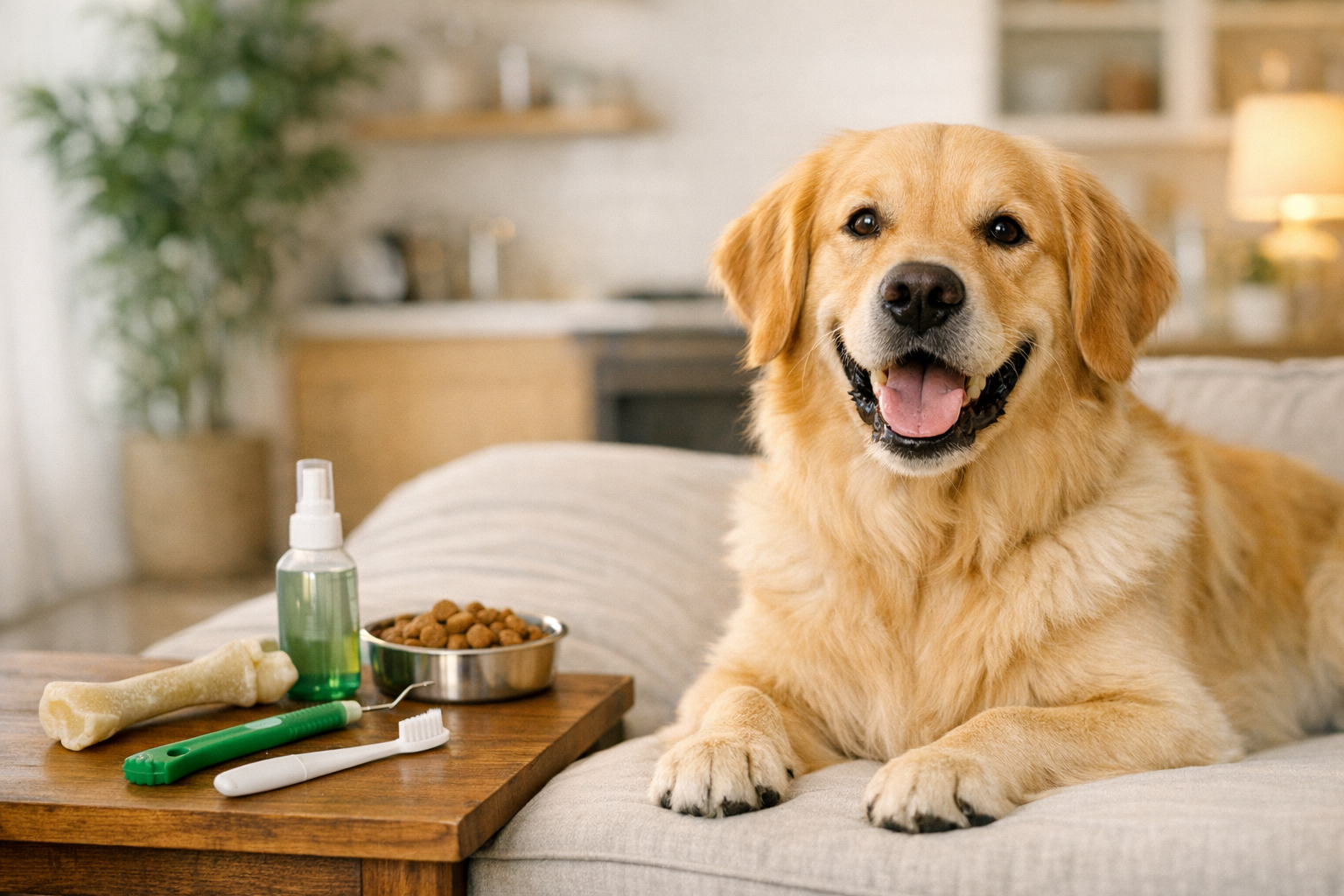
Supportive items can make home care simpler and gentler. Products like an enzymatic toothpaste, a dual-head brush, dental wipes, and VOHC-accepted chews can complement professional care and brushing. Consider keeping tools where you actually use them—near the leash, by your coffee station, or next to the dog’s food. A minute a day really adds up.
Prevention and Daily Care for Dental Disease Dogs
Prevention is part science, part routine, and part “make it easy so you’ll actually do it.” Here’s how to build a low-drama dental routine that pays off over the long haul.
Brush, but make it kind for Dental Disease Dogs
- Start slow: Begin by touching around your dog’s mouth and gently lifting the lips for a few seconds, then reward with praise or a tiny treat. Work up to rubbing a fingertip along the gumline before introducing a brush.
- Use dog-safe paste: Human toothpaste isn’t safe for dogs. Enzymatic dog toothpaste can help break down plaque. A thin smear is plenty.
- Choose a brush that fits: A dual-head toothbrush or a finger brush can help you reach tricky spots. Small dogs often do well with a petite head.
- Angle matters: Aim bristles at a 45-degree angle to the gumline and make gentle circles. Focus on the outer tooth surfaces where plaque piles up fastest.
- Frequency counts: Daily is the gold standard, but even a few times a week helps. Pair brushing with a consistent cue—after dinner, before the evening walk, or during wind-down time.
- Keep it positive: Lots of calm praise and a quick, happy finish helps your dog buy into the routine.
Add supportive tools for Dental Disease Dogs
- Dental wipes and rinses: If brushing is a work in progress, dental wipes can help remove soft plaque on days you don’t brush. Your veterinarian may recommend a specific oral rinse for additional support.
- VOHC-accepted chews and treats: Look for the Veterinary Oral Health Council seal, which indicates evidence that a product helps control plaque and/or tartar.
- Water additives: Some formulas are designed to help with plaque. Your veterinarian may recommend one suitable for your dog.
- Safe chew choices: Offer items with a little “give,” such as certain dental chews or rubber-style toys. If you can’t press a thumbnail into it, or if you wouldn’t want it to hit your kneecap, it may be too hard for teeth.
Schedule regular checkups
- Annual or semiannual oral exams: Your vet can spot early changes and let you know when a professional cleaning is likely to help.
- Professional cleanings as advised: The ideal interval varies by dog. Some small breeds benefit from more frequent cleanings due to crowded teeth.
- Recheck after treatment: Healing checks are important if extractions or periodontal treatments were done.
Habits that help
- Feed measured, balanced meals and limit sticky, sugary, or crumbly treats that cling to teeth.
- Offer water daily and keep bowls clean (biofilm loves a dirty bowl, too).
- Retire very hard chews like antlers, real bones, hooves, and hard nylon if your dog is a power chewer or has any history of tooth fractures.
- Train a cooperative care routine (“say ahh,” “chin rest”) to make at-home checks and vet visits less stressful.
Diet and Nutrition Considerations
Food alone won’t prevent dental disease, but smart choices can support your brushing routine:
- Dental diets: Certain veterinary or specialty diets are designed with kibble texture and fiber alignment that gently scrub teeth as dogs chew. Some also include ingredients to reduce tartar formation. Your veterinarian may recommend a dental diet if your dog is prone to buildup.
- Wet vs. dry: Dry food isn’t a substitute for brushing, and some dogs swallow kibble whole. That said, specific dental formulations can help. Wet food can be part of a healthy plan, especially for dogs needing softer meals, but consider extra diligence with brushing or dental chews.
- Treats and toppers: Keep them nutritionally appropriate and avoid sticky or very sugary options that cling to teeth.
- Raw bones caution: Raw or cooked bones can fracture teeth and introduce other risks. If chewing is part of your dog’s enrichment, opt for safer dental chews or rubber-style toys instead.
- Overall balance: A complete and balanced diet supports gum health and healing. If your dog has specific health conditions, a vet may tailor nutrition recommendations alongside dental care.
When to Call a Vet Right Away
Some mouth issues can’t wait. Seek prompt veterinary care if you notice:
- Facial swelling, especially under the eye or along the jaw
- Refusal to eat or drink, or obvious pain when trying
- Drooling blood or bleeding that doesn’t taper
- A broken tooth with visible pink/red center, or a tooth suddenly displaced
- Difficulty opening the mouth, yelping when chewing, or pawing frantically at the mouth
- Foul odor plus fever, lethargy, or sudden behavior changes
- Unilateral nasal discharge with odor or blood
- Any suspected oral foreign body (stick fragments, bone splinters)
- After a facial injury (falls, rough play, car trauma)
These signs can indicate infections, abscesses, fractures, or other conditions that benefit from immediate evaluation. A vet may evaluate your dog and recommend diagnostics or treatment to address pain and protect overall health.
FAQ
Do dogs really need their teeth brushed every day?
Daily brushing is the gold standard because plaque forms quickly and is easiest to remove before it hardens. Even brushing a few times a week helps. If daily isn’t realistic right now, aim for consistency—then layer in VOHC-accepted chews, dental wipes, and professional cleanings as your veterinarian advises.
Is anesthesia safe for dental cleanings?
Modern veterinary anesthesia is designed with safety in mind. A vet may evaluate your dog’s health with an exam and lab work to individualize anesthesia and pain control. The benefit of anesthesia is that it allows thorough cleaning under the gumline and full-mouth dental x-rays, which are essential to finding and treating hidden problems. Your vet team can discuss specific risks and safety measures for your dog.
Are dental chews enough on their own?
Chews can help, especially those with VOHC acceptance, but they aren’t a full substitute for brushing and professional care. Think of them like floss picks: helpful adjuncts that shine when used alongside regular brushing and periodic cleanings recommended by your veterinarian.
What does “dental disease in dogs: symptoms, treatment & prevention” really cover?
It refers to the full arc of oral health: early signs like bad breath or red gums, how veterinarians diagnose problems (including dental x-rays), treatment options such as professional cleaning and extractions when needed, and daily prevention habits like brushing and safe chews that help keep plaque in check.
My dog’s breath smells awful. Is that always dental disease?
Bad breath is a common sign of dental disease, but it’s not the only cause. A vet may evaluate for oral issues first, then consider other possibilities if needed. If the smell changes suddenly or you see other signs—drooling blood, swelling, refusal to eat—call your vet promptly.
Can puppies get dental problems?
Yes. Retained baby teeth, malocclusions, fractured baby teeth, or gum irritation can show up in young dogs. Regular puppy checks help catch these early. If you notice adult teeth erupting while baby teeth are still firmly in place, your veterinarian may recommend addressing retained teeth to reduce crowding and future plaque traps.
What about anesthesia-free dental cleanings?
They can make teeth look cleaner on the surface but don’t address disease below the gumline or allow for dental x-rays. Because hidden problems are common, many veterinarians do not recommend anesthesia-free dentistry for diagnosing or managing periodontal disease. Discuss pros and cons with your veterinary team for your individual dog.
In the end, dogs rarely complain about their mouths—so we have to be their advocates. Spotting early signs, partnering with your veterinarian, and keeping up with small daily habits can dramatically improve comfort, reduce mouth odor, and help your dog enjoy their favorite activities (like demolishing a soft chew) without a twinge.
With the right mix of veterinary guidance and home care, you can navigate dental disease in dogs: symptoms, treatment & prevention with confidence—and keep those smiles bright for years to come.
Quick recap for the busy pet nerd: brush most days, choose safe VOHC-accepted chews, schedule regular oral exams and cleanings as your vet advises, and call right away for pain, swelling, or bleeding. Your dog’s mouth will thank you—with fresher kisses.
Similar Posts
Diabetes in Cats: Symptoms, Treatment & Prevention
Diabetes cats symptoms: Learn the signs of feline diabetes, how vets diagnose it, supportive treatments, daily care, and prevention tips to keep your cat
Anxiety in Dogs: Symptoms, Treatment & Prevention
Anxiety dogs symptoms: Learn how to recognize anxiety in dogs, what may cause it, and how vets diagnose it. Get practical, vet-friendly tips on treatment,
Obesity in Cats: Symptoms, Treatment & Prevention
Obesity cats symptoms: Learn how to spot, manage, and prevent obesity in cats with clear signs, gentle treatment options, and daily prevention
Diabetes in Dogs: Symptoms, Treatment & Prevention
Diabetes dogs symptoms: Learn the signs of canine diabetes, how vets diagnose it, supportive treatment options, daily care tips, and when to seek urgent