Diabetes in Dogs: Symptoms, Treatment & Prevention
When it comes to diabetes dogs symptoms, you see the water bowl emptying faster than usual. Your dog is raiding the kitchen, yet their ribs peek through a little more each week. You’re worried (and you’re right to be paying attention). If diabetes is on your mind, you’re not alone. Diabetes in dogs is a common, manageable condition—one that thrives on routine, teamwork with your veterinary care team, and a little nerdy know‑how. In this guide to diabetes in dogs: symptoms, treatment & prevention, we’ll walk you through what’s happening in the body, what to watch for at home, how veterinarians figure it out, and the day-to-day moves that help many diabetic dogs live full, happy lives.

What This Issue Is.
Diabetes mellitus in dogs is a chronic condition in which the body can’t use blood sugar (glucose) properly. Glucose is the primary fuel for your dog’s cells. To move glucose from the bloodstream into cells, the body relies on insulin, a hormone produced by the pancreas. In diabetes, there’s either not enough insulin being made or the body can’t respond to it effectively. The result: glucose builds up in the bloodstream, cells are starved for energy, and the body starts breaking down fat and muscle to cope.
Most dogs develop a form similar to “type 1” diabetes in humans, where the pancreas doesn’t produce adequate insulin. This often stems from destruction or dysfunction of insulin-making cells. Less commonly, dogs may develop insulin resistance—where insulin is present but doesn’t work well—often due to hormones or other illnesses (for example, heat cycles in intact females, Cushing’s disease, or severe obesity can contribute to insulin resistance).
Uncontrolled high blood sugar doesn’t just change a lab value; it changes how your dog feels. Excess sugar spills into the urine, dragging water with it and causing increased urination and thirst. The brain thinks the dog is “starving,” so appetite rises even as body weight drops. Over time, high glucose can fuel infections, trigger eye changes (notably cataracts in dogs), and—in serious cases—tip into emergencies like diabetic ketoacidosis (DKA), which requires immediate veterinary care.
The good news: while diabetes is a lifelong condition, many dogs do very well with consistent routines, nutrition tailored to their needs, and veterinary guidance. It’s less about perfection and more about steadiness—like lining up the same mealtime, walk time, and cuddle time every day.
Related Articles You Might Enjoy
Signs and Symptoms to Watch For. for Diabetes Dogs Symptoms
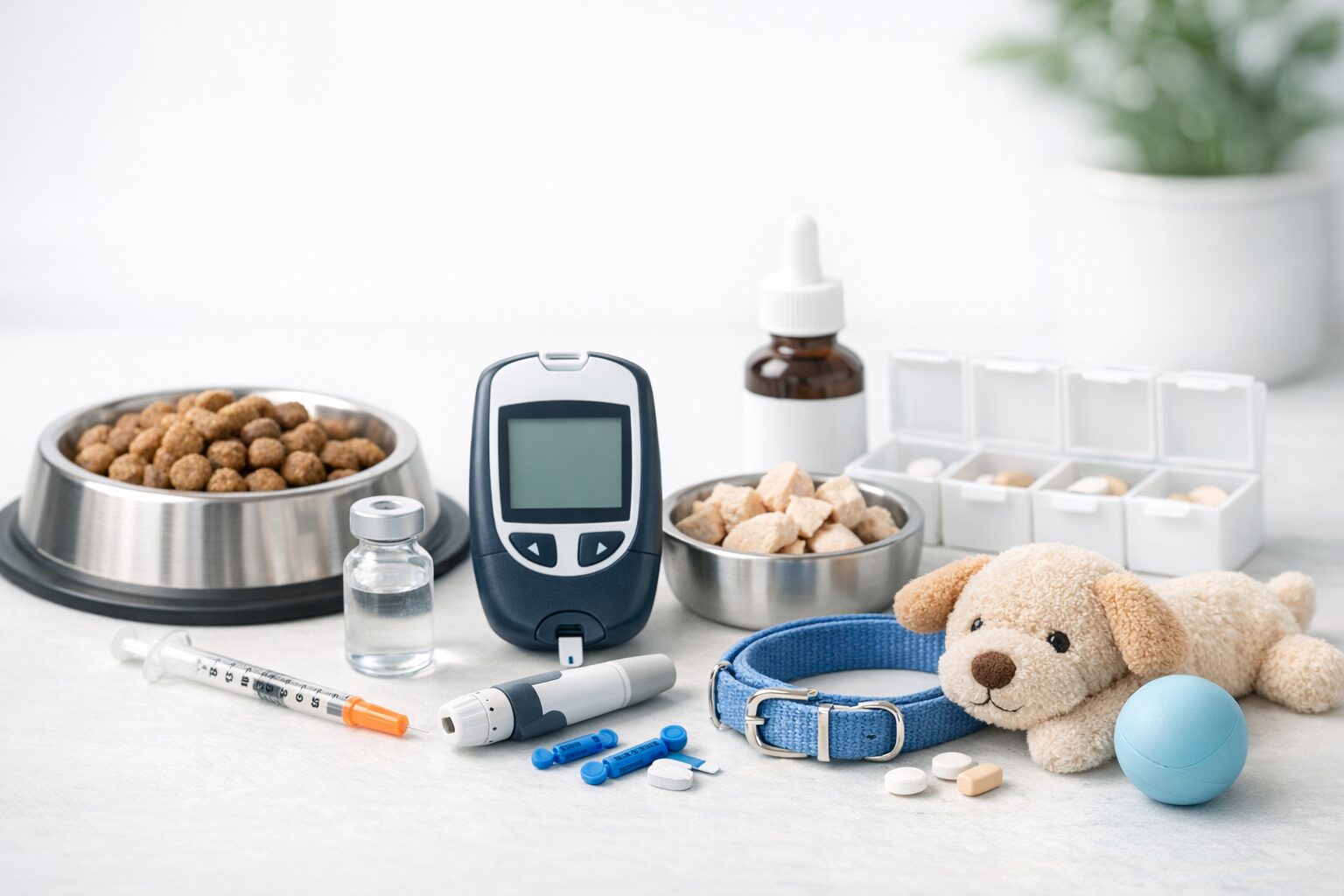
Early recognition helps your vet intervene sooner and support better outcomes. Keep an eye out for these common signs and bring notes or photos/videos to your appointment—data-loving vets appreciate your home observations.
- Increased thirst and urination: You may notice larger clumps in the yard, more frequent potty breaks, or accidents in a previously house-trained dog.
- Increased appetite with weight loss: Hungry all the time but slimming down or failing to gain weight.
- Lethargy or decreased stamina: Napping more, sitting out playtime, or seeming “off.”
- Recurrent infections: Especially urinary tract infections or skin infections that don’t resolve easily.
- Changes in the eyes: Cloudy lenses (cataracts) can develop quickly in diabetic dogs; you may notice sudden vision changes or bumping into objects.
- Poor coat quality: Dull fur or increased shedding.
- Sweet or “fruity” breath, vomiting, dehydration, or rapid breathing: These are red-flag symptoms that can signal diabetic ketoacidosis; seek urgent veterinary care.
- Weakness, wobbliness, tremors, or seizures: These may be signs of dangerously low blood sugar or other complications and require prompt veterinary guidance.
None of these signs confirm diabetes on their own, and some can occur with other conditions. That’s why testing is essential.
Common Causes and Risk Factors. for Diabetes Dogs Symptoms

Diabetes can occur in any dog, but some factors increase the likelihood or complicate control:
- Age: Most diabetic dogs are middle‑aged or older, though it can occur at almost any age.
- Sex and reproductive status: Intact (unspayed) females can experience hormone-related insulin resistance, particularly during heat cycles. Your veterinarian may discuss spaying as part of management or prevention planning.
- Genetics and breed predisposition: Some breeds appear at higher risk, including Miniature Schnauzers, Poodles, Dachshunds, Beagles, Samoyeds, Keeshonds, and others. Mixed-breed dogs can develop diabetes too.
- Body condition: Excess body fat contributes to insulin resistance and can make stable control harder. Maintaining a lean, healthy weight helps.
- Pancreatitis: Inflammation of the pancreas can damage insulin-producing cells and is a known risk factor.
- Hormonal disorders and medications: Conditions like Cushing’s disease or long-term use of certain steroid medications can lead to insulin resistance.
- Concurrent illness: Infections or other inflammatory conditions can raise blood glucose and complicate management.
In many dogs, there isn’t one single cause—think of diabetes as a result of several “dominoes” that fell at the same time. Your vet’s job is to identify which ones can be stood back up.
How Vets Diagnose It. for Diabetes Dogs Symptoms
Veterinary teams look at the whole picture: symptoms, physical exam, and laboratory data over time. A single high blood glucose reading, for example, might be due to stress, so confirmation typically involves multiple steps.
- History and physical exam: Notes about thirst, urination, appetite, weight changes, activity level, and vision changes are helpful. Your vet will assess hydration, body condition, eyes, abdomen, and more.
- Blood tests: Elevated blood glucose on a chemistry panel is a key finding. A fructosamine test reflects average blood sugar over the previous 2–3 weeks and helps confirm persistent hyperglycemia (vs. a temporary stress spike).
- Urinalysis: Glucose in the urine is consistent with diabetes and increases risk for urinary tract infections. Your vet may recommend a urine culture to check for bacteria—diabetic dogs can have “silent” infections.
- Rule-outs and concurrent disease screening: Testing for pancreatitis, Cushing’s disease, thyroid disorders, or other issues may be advised, since these conditions can influence glucose control.
- Imaging: Abdominal ultrasound or radiographs may be recommended in some dogs to evaluate the pancreas or look for other contributors.
- Monitoring tools: After diagnosis, your veterinarian may use in-clinic glucose curves, at-home monitoring plans, or continuous glucose monitoring devices to assess trends and adjust care.
Diabetes in dogs: symptoms, treatment & prevention
- — how it all fits together for Diabetes Dogs Symptoms
Diagnosis connects the dots between what you’re seeing at home (thirst, urination, weight changes), what the labwork shows (sustained high glucose, glucosuria, elevated fructosamine), and any underlying factors that need attention (pancreatitis, infections, hormone disorders). That full picture shapes your veterinarian’s recommendations for stabilization and long-term support.
Treatment and Support Options. for Diabetes Dogs Symptoms
Your veterinarian may recommend a combination of insulin therapy, nutrition changes, and lifestyle routines to keep blood sugar steadier and help your dog feel their best. Diabetes management is a team sport: you, your dog, and your vet working in sync.
- Insulin therapy: Most diabetic dogs require insulin. Your veterinarian will select a type and teach you handling and administration. It’s okay to feel nervous—practice and routine make this a smooth daily habit for many families.
- Dietary strategy: The general goal is consistency in what and when your dog eats. Your veterinarian may recommend a prescription diet or a carefully balanced plan tailored to your dog’s body condition, pancreatitis risk, and other health factors.
- Routine and timing: Feeding and insulin (if prescribed) usually follow a consistent daily schedule. Keeping walks, meals, and play at similar times helps reduce big glucose swings.
- Exercise: Regular, moderate activity can improve insulin sensitivity. A vet may evaluate the right type and amount for your dog and advise how to keep activity levels steady day to day.
- Monitoring: Depending on your vet’s approach, monitoring may include tracking appetite, thirst, urination, body weight, urine tests for glucose/ketones, or periodic blood glucose checks. Your vet may adjust the plan based on trends, not just single numbers.
- Concurrent issues: Treating infections, dental disease, pancreatitis, or hormonal disorders often improves glucose control. Your veterinarian may prioritize addressing these alongside diabetes care.
- Positive reinforcement: Pair any at-home care with something your dog loves—praise, a walk, or a vet-approved low-sugar treat—so the routine feels rewarding.
Helpful home supports—never as a replacement for veterinary care—can make routines easier: a dedicated measuring scoop for consistent meals Pet Food Measuring Scoop, an organizer for daily supplies, or a calm, non-slip station where you practice handling. Little logistics go a long way.
Prevention and Daily Care. for Diabetes Dogs Symptoms
Not every case of diabetes can be prevented, but you can tilt the odds in your dog’s favor and support steadier control if they’re already diagnosed.
- Keep a healthy body condition: Ask your vet to help you assess your dog’s body condition score and set realistic weight goals. Small changes add up over time.
- Feed consistently: Use the same complete diet daily unless your veterinarian recommends a change. Store food properly to maintain freshness and nutrient stability Airtight Pet Food Container.
- Move regularly: Routine, moderate exercise helps with weight, mood, and glucose stability. Keep the intensity consistent—think daily neighborhood strolls rather than “weekend warrior” sprints.
- Reduce dietary “surprises”: Avoid fatty table scraps and high-sugar treats. For training, consider lean proteins or crunchy, low-starch vegetables—check with your vet about what’s appropriate for your dog.
- Spay if advised: For intact females, your veterinarian may recommend spaying to reduce hormone-driven insulin resistance. Timing is important; follow your vet’s guidance.
- Mind the mouth: Dental inflammation can affect whole-body health. Regular brushing with dog-safe toothpaste and professional dental care as recommended can help Dog Toothbrush & Finger Brush Set.
- Stress less: Dogs feel stress, too. Stable routines, cozy rest areas, enrichment toys, and gentle handling help keep stress hormones from stirring the metabolic pot Calming Dog Mat.
- Regular checkups: Schedule preventive exams and follow-ups. Your vet may recommend bloodwork and urinalysis at intervals to catch trends early.
For dogs already diagnosed, build a “diabetes daybook.” Jot down what and when they eat, activity levels, water intake, and any unusual behaviors. Trends matter more than one-off blips, and your notes are gold at rechecks.
Diet and Nutrition Considerations. for Diabetes Dogs Symptoms
Food is both fuel and a tool in diabetes care. There isn’t one universal “diabetic diet” that fits every dog; your veterinarian may tailor recommendations to your dog’s weight, concurrent conditions (like pancreatitis), and preferences.
- Consistency is king: Feed the same complete diet in the same measured portions on a predictable schedule. Big swings in calories or timing can make glucose harder to regulate.
- Macronutrient balance: Some diabetic dogs do well on diets with higher fiber to help temper post-meal glucose spikes; others may need lower-fat formulas if pancreatitis is a concern. Your veterinarian may recommend a specific therapeutic diet to match your dog’s profile.
- Treat strategy: Keep treats a small portion of daily intake and choose options without added sugars. Think lean meats (plain, unseasoned, fully cooked), or vet-approved veggies like green beans or cucumber. Avoid syrups, honey, sweet biscuits, and high-fat foods.
- Hydration: Always provide fresh water. Increased thirst is common in uncontrolled diabetes, so keep bowls topped up at home and on the go Collapsible Travel Dog Bowl.
- Changes, done slowly: If your veterinarian recommends a new diet, transition gradually over several days to support digestion and reduce appetite swings.
- Home-cooked diets: If you’re considering home-cooked meals, a board-certified veterinary nutritionist can formulate a balanced plan. Avoid improvising; nutrient imbalances can affect glucose control and overall health.
Remember, your dog’s ideal plan is personal. The winning combo often includes a steady meal schedule, the right formula for their body and health history, and lots of practical consistency from their favorite human (that’s you).
When to Call a Vet Right Away.
Diabetes can be stable for long stretches—and then suddenly not. Don’t wait on these red flags:
- Signs of diabetic ketoacidosis (DKA): Vomiting, diarrhea, severe lethargy, rapid or labored breathing, dehydration, weakness or collapse, or breath that smells sweet/acetone-like. This is an emergency.
- Neurologic signs that could indicate low blood sugar: Wobbliness, tremors, confusion, seizures, or sudden collapse. Seek immediate veterinary guidance.
- Refusal to eat, repeated vomiting, or sudden behavior change: Especially in a dog with known diabetes, these signs warrant prompt assessment.
- Sudden vision changes or eye pain: Rubbing at the eyes, squinting, redness, or sudden blindness. Eye emergencies can escalate quickly.
- Signs of urinary tract infection: Straining, frequent attempts to urinate, blood in urine, increased accidents, or strong odor.
- Any time your gut says “something’s wrong”: You know your dog. If you’re worried, call.
If you’re unsure what to do in the moment, contact your veterinarian or the nearest emergency clinic. They can advise the next best steps and whether an urgent visit is needed.
FAQ
Can my dog live a normal life with diabetes?
Many dogs enjoy years of good quality life with diabetes. Success hinges on steady routines, appropriate nutrition, and close communication with your vet. Periodic adjustments are normal—think “course-correcting a sailboat” rather than “set it and forget it.”
Is remission possible for dogs with diabetes?
True remission (no ongoing insulin needs) is uncommon in dogs. However, if diabetes is secondary to another issue—such as hormone-related insulin resistance in an intact female—addressing that issue (for example, spaying if recommended by your vet) may substantially improve control. Your veterinarian will guide expectations for your dog’s specific situation.
Are cataracts inevitable in diabetic dogs?
Cataracts are very common in diabetic dogs, sometimes developing quickly. Good glucose control may slow changes but doesn’t guarantee prevention. If cataracts affect quality of life, your veterinarian may refer you to a veterinary ophthalmologist to discuss medical management or potential surgery.
Can diet alone manage canine diabetes?
For most dogs, diet changes by themselves are not enough. Your veterinarian may recommend insulin alongside a consistent, tailored diet and routine monitoring. Avoid changing or stopping any part of your dog’s care plan without veterinary guidance.
How often will my diabetic dog need checkups?
Expect more frequent visits early on, then regular rechecks once things stabilize. Your vet may recommend periodic labwork (such as fructosamine, urinalysis, or glucose monitoring) and exams to keep tabs on trends and make timely adjustments.
Can exercise cause low blood sugar?
Vigorous or unusually long exercise can lower blood sugar, particularly if it’s not part of the usual routine. Aim for consistent activity levels. A vet may evaluate whether any care plan tweaks are needed if your dog’s exercise changes.
What’s the difference between diabetes mellitus and diabetes insipidus?
They share a name but are very different. Diabetes mellitus involves problems with insulin and blood sugar. Diabetes insipidus is a rare condition affecting water balance and causes extreme thirst and urination without high blood glucose. Your vet’s testing distinguishes between them.
Here’s the big, comforting takeaway: diabetes doesn’t define your dog—it just asks for some structure. With your loving consistency and your veterinary team’s guidance, many dogs do beautifully. Keep notes, ask questions, and celebrate the quiet wins: the steady appetite, the happy trot on a familiar route, the easy nap after dinner. Those are the daily victories of diabetes in dogs: symptoms, treatment & prevention working together in real life.
Bottom line: If you’re seeing increased thirst, urination, appetite changes with weight loss, or new eye cloudiness, a vet may evaluate for diabetes and other conditions. Early attention and a thoughtful plan can make a world of difference—for both of you.