Diabetes in Cats: Symptoms, Treatment & Prevention
When it comes to diabetes cats symptoms, if your cat is suddenly draining the water bowl, ping-ponging between ravenous hunger and weight loss, or leaving Mount Everest–level clumps in the litter box, your pet parent radar is spot on. These can be early flags for diabetes, a common but manageable condition in cats. Take a deep breath: with prompt veterinary care, day-to-day structure, and a little “cat nerd” know-how, many feline diabetics live comfortably. In this guide, we’ll walk through diabetes in cats: symptoms, treatment & prevention—what to watch for, what a vet may check, and how you can support your whiskered friend at home. We’ll keep it clear, practical, and safely non-DIY—because this is one condition where your veterinary team is your best ally.
What This Issue Is
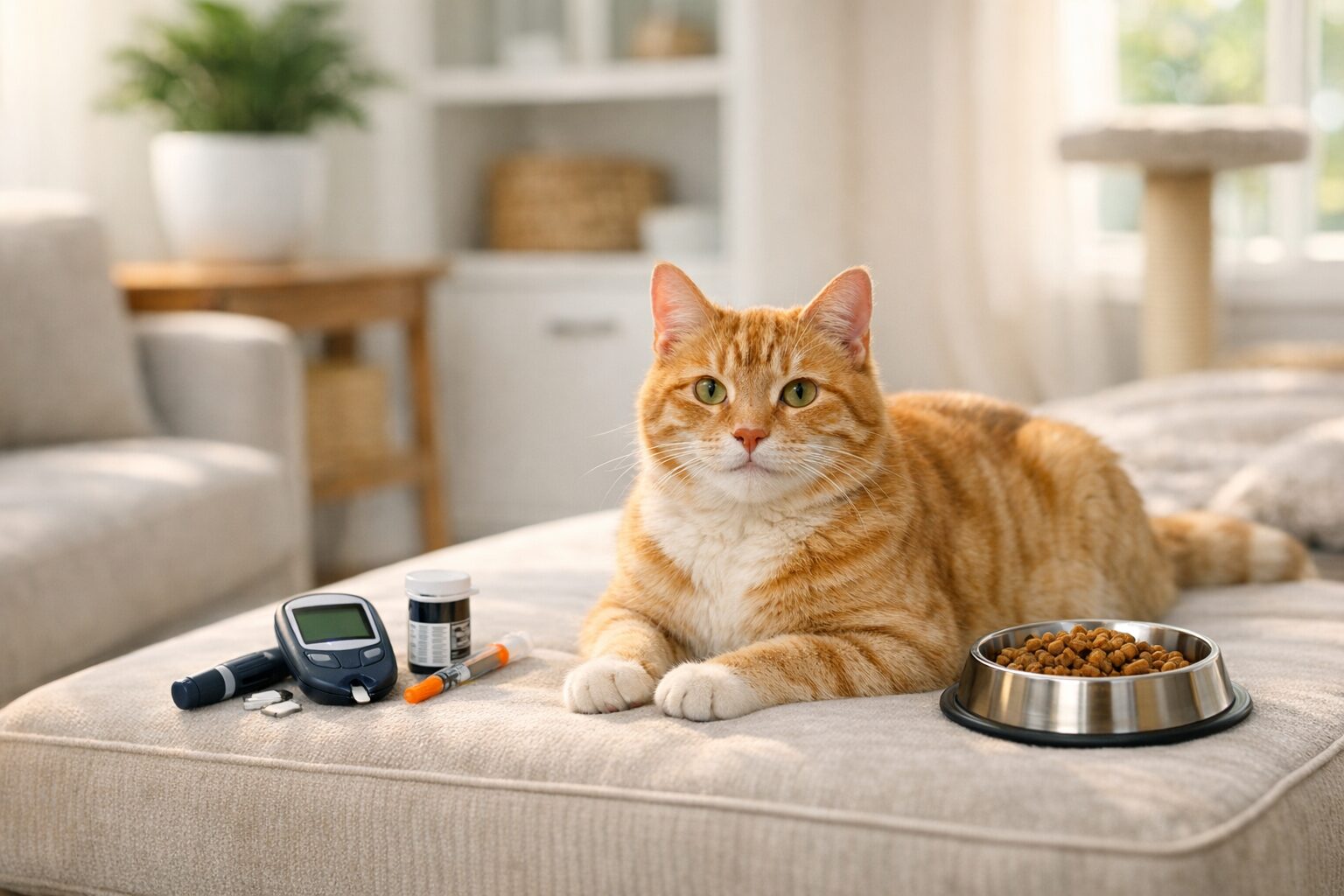
Feline diabetes mellitus is a metabolic condition where a cat’s body struggles to regulate blood sugar (glucose). Normally, the pancreas releases insulin, a hormone that helps move glucose from the bloodstream into cells for energy. In many diabetic cats, cells become resistant to insulin, and/or the pancreas doesn’t produce enough of it. The result: blood sugar stays elevated, which can cause increased thirst and urination, weight loss, and a host of knock-on issues.
Most diabetic cats develop a form similar to human type 2 diabetes—meaning insulin resistance plays a big role. Some cats also have underlying factors like inflammation, pancreatitis, or hormonal conditions that nudge the body toward diabetes. You may hear your vet mention “remission,” which means the cat no longer needs insulin for a period of time. Remission is possible for some cats with careful veterinary management, especially when the condition is caught early and weight and diet are optimized. That said, it’s not guaranteed, and ongoing monitoring remains important even when things are looking great.
Untreated diabetes can lead to dehydration, infections, nerve issues, and a life-threatening emergency called diabetic ketoacidosis (DKA). This is not a “wait and see” condition—if you suspect diabetes, a vet visit is essential. With medical guidance, a stable home routine, and consistent follow-up, most cats do very well.
Related Articles You Might Enjoy
Signs and Symptoms to Watch For Diabetes Cats Symptoms
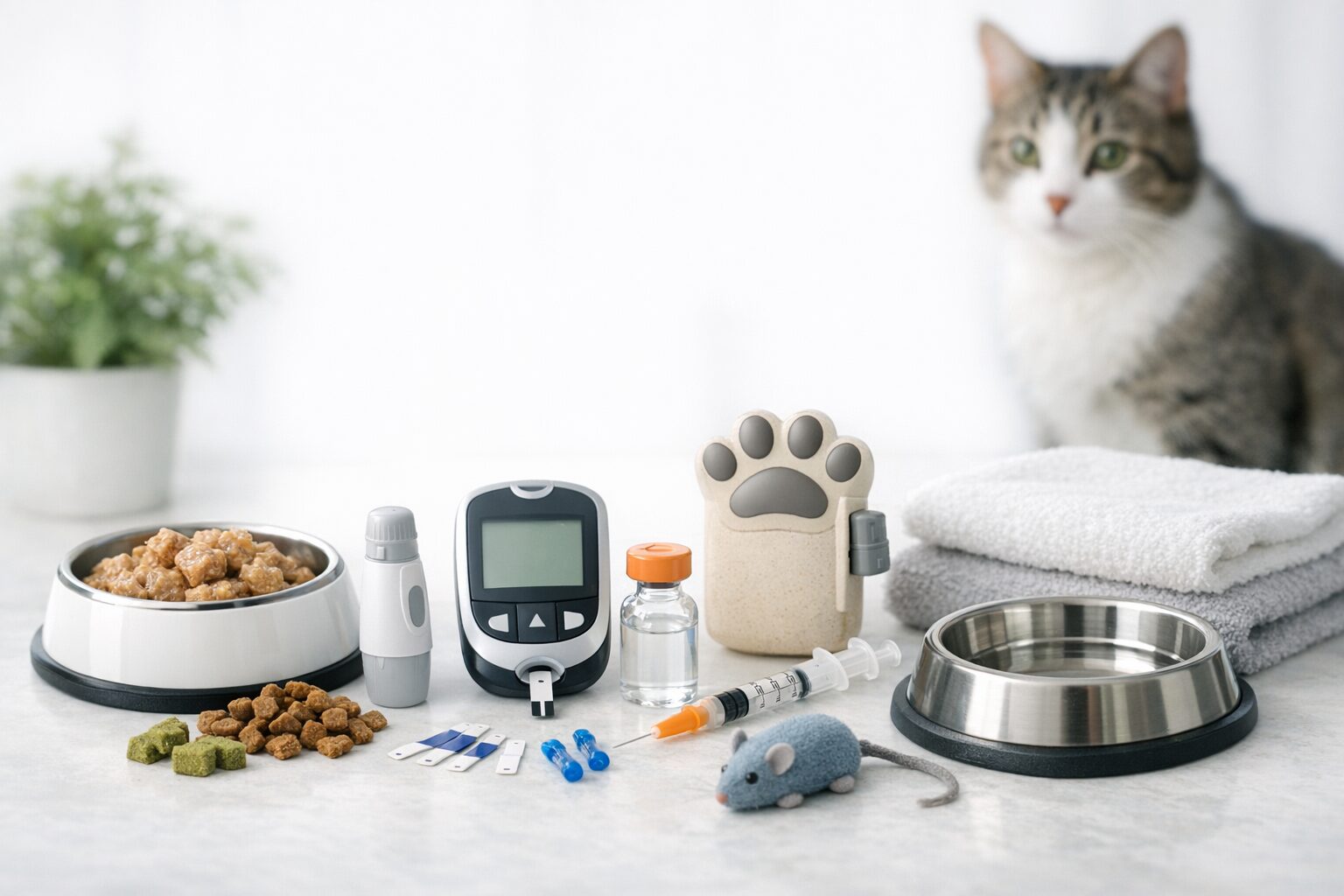
Cats are professional secret-keepers, and many signs of illness creep in quietly. Keep an eye out for these common red flags of diabetes:
- Increased thirst (polydipsia): The water bowl needs refilling more often, or you notice your cat seeking water in unusual places (tubs, sinks).
- Increased urination (polyuria): Larger or more frequent litter clumps, accidents, or “overflow” near the box.
- Weight loss despite a good (or ravenous) appetite: A classic pairing—hungry cat, shrinking silhouette.
- Changes in appetite: Some cats are starving, others become finicky. Any sudden shift is worth a note.
- Lethargy or decreased play: Less interest in toys, stairs, or greeting you at the door.
- Coat changes: Greasy, unkempt fur or dandruff. Cats may groom less if they feel blah.
- Hindlimb weakness or a “flat-footed” stance (plantigrade posture): A sign that can accompany diabetic neuropathy.
- Recurrent infections: Especially urinary tract infections or mouth/gum issues.
- Vomiting, rapid breathing, or sweet/acetone-like breath: Urgent signs—call a vet promptly.
Some cats are subtle. Tracking water intake, litter output, and body weight can help you spot trends. A tiny notepad by the litter box? Peak pet-nerd move—and genuinely useful data for your vet.
Common Causes and Risk Factors for Diabetes Cats Symptoms
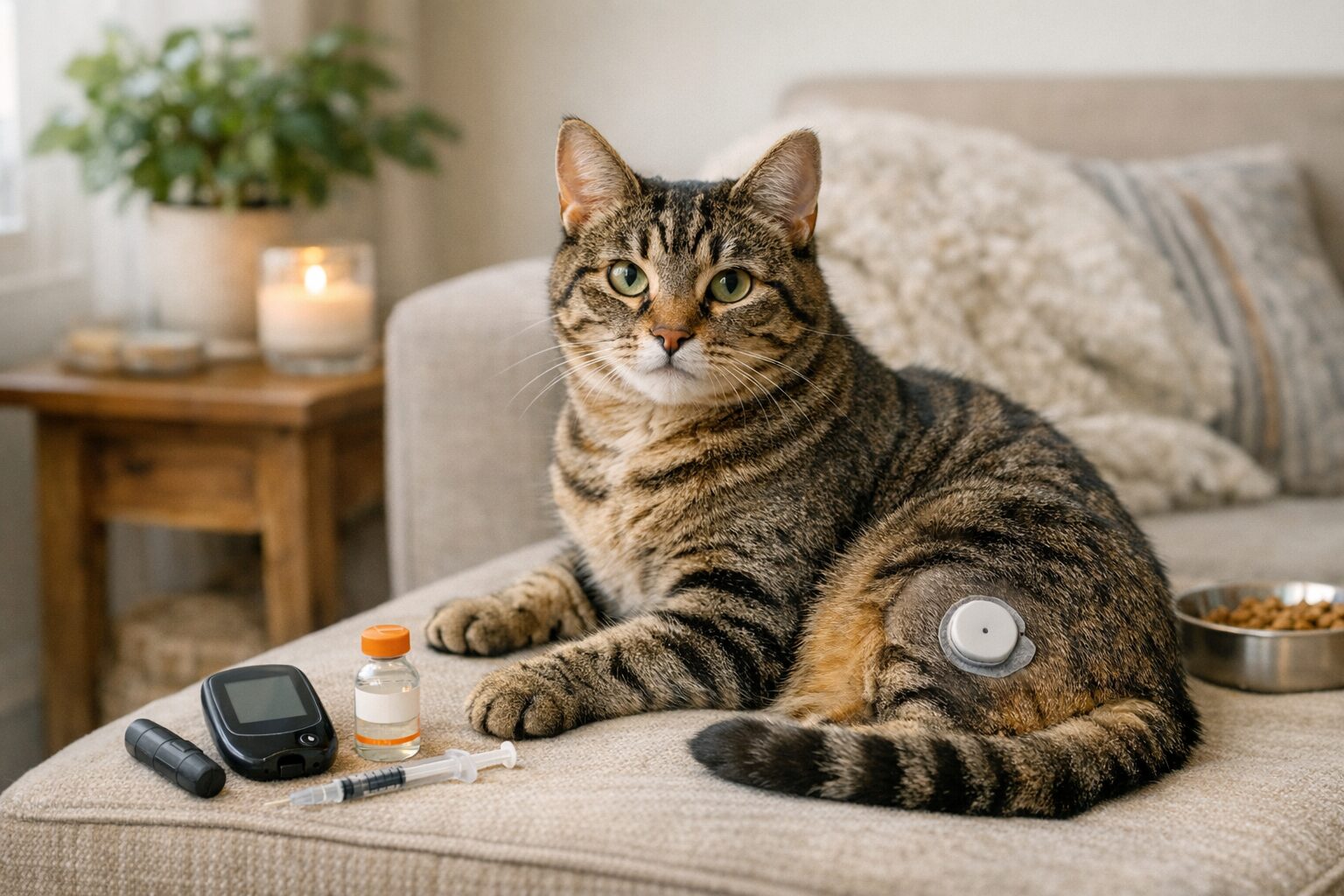
Diabetes rarely has a single cause. It’s usually a combination of genetics, body condition, environment, and other health issues. Factors associated with a higher risk include:
- Excess body weight: Extra fat tissue promotes insulin resistance. Many diabetic cats are overweight or have a history of weight gain.
- Age: Middle-aged to older cats are more commonly affected.
- Sex and neuter status: Neutered male cats show a higher incidence in some studies.
- Breed: Burmese cats in particular have an increased risk in some regions.
- Dietary patterns: Highly processed, carb-heavy diets may contribute to insulin resistance in some cats.
- Low activity level: Indoor lifestyles can be great for safety, but sometimes encourage the “sofa sprawl.”
- Other medical conditions: Pancreatitis, dental disease, infections, or hormonal conditions (such as acromegaly/hypersomatotropism) can make blood sugar harder to control.
- Medications: Long-term or high-dose corticosteroids may increase diabetes risk in susceptible cats.
Knowing the risk factors helps you and your veterinarian focus on screening and prevention strategies—especially weight management, gentle activity, and nutrition tailored to your cat’s needs.
How Vets Diagnose It for Diabetes Cats Symptoms
Diagnosis blends clinical detective work with laboratory testing. Because stress can temporarily elevate a cat’s blood sugar, your vet won’t rely on a single number in isolation. A typical diagnostic approach may include:
- History and physical exam: Appetite, thirst, urination, weight changes, activity level, and any recent meds or illnesses are all clues.
- Blood glucose testing: Persistent hyperglycemia (elevated blood sugar) raises suspicion for diabetes, especially alongside classic signs.
- Fructosamine: Think of this as a “longer timeline” snapshot of average blood sugar over the past couple of weeks. It helps distinguish true diabetes from stress spikes.
- Urinalysis: Glucose in the urine supports the diagnosis; ketones signal more serious metabolic issues that need prompt attention.
- Additional labs as needed: Complete blood count, chemistry profile, thyroid testing, and tests for concurrent issues such as pancreatitis or urinary infections.
- Follow-up and monitoring: Once diagnosed, vets often use curves or serial checks to understand a cat’s pattern over time. Home or clinic monitoring strategies are individualized.
If blood glucose is very high or ketones are present, a vet may prioritize stabilizing your cat before fine-tuning the long-term plan. Diagnosing and stabilizing diabetes is a team sport—your veterinarian will tailor testing and next steps to your cat’s temperament, home routine, and overall health.
Treatment and Support Options for Diabetes Cats Symptoms
Good news first: many diabetic cats feel better quickly once a plan is in place. Treatment aims to reduce clinical signs, support overall health, and keep blood sugar in a safer range. Your veterinarian may recommend a combination of the following:
- Insulin therapy: Many cats require insulin. Doses, timing, and any adjustments are medical decisions—your vet will guide you, demonstrate techniques if appropriate, and set up recheck intervals.
- Nutrition adjustments: Vets often recommend a moisture-rich, higher-protein, lower-carbohydrate approach. Some cats do best on specific therapeutic diets. Avoid sudden food changes without veterinary input.
- Weight management: Reaching a healthy body condition improves insulin sensitivity. Gentle, steady weight loss—under veterinary guidance—tends to be the safest route.
- Treating concurrent conditions: Infections, dental disease, pancreatitis, or hormone disorders can all affect glucose control. Addressing these can dramatically improve stability.
- Neuropathy support: Cats with hindlimb weakness may benefit as blood sugar improves. Your veterinarian may also discuss supplements such as specific forms of vitamin B12; always follow professional guidance.
- Hydration and litter box care: Easy access to fresh water supports kidney health. A low-sided box or extra box locations can help when urination is frequent.
- Routine and stress reduction: Predictable feeding times and calm environments can help stabilize appetite and glucose swings. Consider gentle enrichment to keep your cat engaged without overexertion.
At home, your role is consistency champion. Feed at routine times, keep a simple log of appetite, thirst, litter clumps, energy, and body weight, and stick with recheck visits. If something seems “off,” call your vet sooner rather than later.
Helpful supportive gear (not a replacement for medical care):
- Encouraging hydration: Many cats drink more with a bubbling water source like a Pet Fountain.
- Food freshness: A tight-sealing Pet Food Storage Container helps keep therapeutic diets stable in flavor and texture.
- Calm vibes: A Calming Pheromone Diffuser may support stress-sensitive kitties adjusting to new routines.
- Tracking weight trends: A low-profile Pet Scale can make weekly check-ins easy between vet visits.
If your veterinarian mentions “remission,” it usually means clinical signs improve and insulin may no longer be needed for a time. Even in remission, ongoing monitoring matters; some cats relapse, while others maintain stable control long-term.
Prevention and Daily Care for Diabetes Cats Symptoms
Diabetes isn’t always preventable, but smart daily habits can tilt the odds in your cat’s favor and support stability if your cat is already diagnosed.
- Healthy body condition: Work toward a trim waist and palpable ribs under a thin fat layer. Your vet can help set realistic goals.
- Smart feeding patterns: Aim for measured portions on a schedule. Cats love predictability; their pancreases appreciate it too.
- Moisture-forward meals: Wet food increases water intake and can align with diabetes-friendly nutrition when recommended by your vet.
- Play, not sprints: Daily, gentle play sessions (wand toys, food puzzles) keep cats active without overdoing it.
- Mind the meds: Never start, stop, or change medications like steroids without veterinary guidance.
- Dental and wellness care: Periodic checkups and dental care help prevent inflammation that can worsen insulin resistance.
- Home tracking: Jot down water intake patterns, litter box output, appetite, and weight changes. These clues are gold for your vet.
Build routines you can keep: same feeding area, same bowls, and a quiet eating environment. Consistency reduces stress and helps your vet interpret patterns if tweaks are needed down the road.
Diet and Nutrition Considerations for Diabetes Cats Symptoms
Food is one of your strongest day-to-day tools in supporting a diabetic cat. The goal is to promote steady energy, maintain lean muscle, support hydration, and avoid dramatic glucose swings. Your veterinarian may recommend:
- Higher-protein, lower-carbohydrate diets: Many diabetic cats do well with low-carb, moisture-rich foods. The exact choice depends on your cat’s health history and preferences.
- Wet or mixed feeding plans: Canned foods increase water intake and often have fewer carbohydrates than some dry formulas.
- Consistent meal timing: Predictable mealtimes make it easier for your vet to align nutrition with the medical plan.
- Measured portions: Accidental overfeeding sneaks up fast. A Digital Kitchen Scale for Pets or a simple measuring scoop can keep calories consistent.
- Thoughtful treats: Tiny portions, protein-forward options, or vet-approved low-carb treats may fit the plan in moderation.
- Slow, supervised weight loss if needed: Rapid weight loss can be risky for cats; your vet can help pace it safely.
Don’t switch diets abruptly—especially if your cat may be on insulin—without checking in with your vet. Palatability matters, too. If your cat is picky, strategies like warming wet food slightly or offering quiet, private mealtimes can help.
When to Call a Vet Right Away
Some signs deserve same-day attention. Call a veterinarian promptly if you notice:
- Signs of hypoglycemia: Sudden wobbliness, disorientation, tremors, collapse, or seizures.
- Possible DKA signs: Repeated vomiting, profound lethargy, rapid or deep breathing, dehydration, or breath that smells sweet/acetone-like.
- Not eating: Skipping meals, especially if insulin has been part of the plan, warrants a professional check-in.
- Marked increase in thirst and urination or sudden weight loss over days to weeks.
- Any time your gut says “this is not normal”: Trust your instincts and call—your vet team would rather hear from you early.
Emergencies can move fast. If your regular clinic is closed, seek urgent or emergency veterinary care.
FAQ
Can feline diabetes go into remission?
Yes—some cats experience remission, particularly when diabetes is identified early, body weight is optimized, and diet and medical care are well aligned. Remission doesn’t mean “cured.” Regular monitoring remains important, and some cats may need medical therapy again later. Your veterinarian can discuss realistic expectations for your cat’s situation.
What does “diabetes in cats: symptoms, treatment & prevention” really mean for everyday care?
It means paying attention to thirst, urination, appetite, activity, and body weight; partnering with your vet for diagnosis and ongoing checks; building a consistent routine for meals and meds if prescribed; and keeping up with hydration, enrichment, and dental care. In short: notice changes early, act promptly, and make daily life predictable and comfortable for your cat.
How long can a cat live with diabetes?
Many diabetic cats enjoy years of good quality life with appropriate veterinary care and a stable home routine. Outcomes vary based on factors like age, other health conditions, how early diabetes is addressed, and how well the plan fits your cat’s preferences. Your vet can help set goals and schedule rechecks to keep things on track.
Do I have to change my cat’s food?
Nutrition often plays a key role, and your veterinarian may recommend shifting to a moisture-rich, higher-protein, lower-carbohydrate diet or a specific therapeutic formula. The exact plan depends on your cat’s medical history and appetite. Avoid abrupt changes and discuss timing and transition steps with your vet—especially if insulin is part of care.
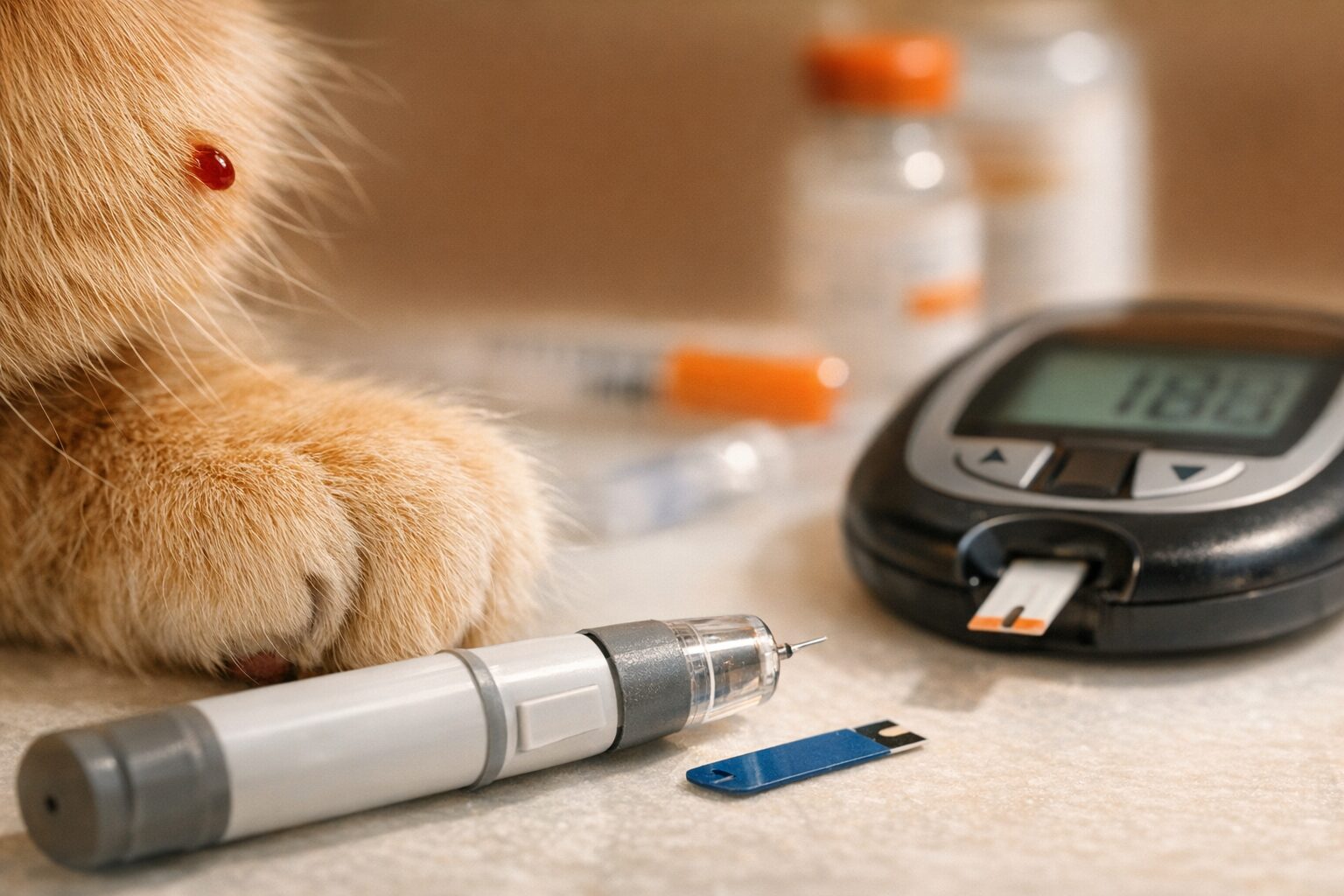
Is home glucose monitoring necessary?
Some vets include home monitoring as part of a cat’s individualized plan; others rely on in-clinic curves and periodic checks. The decision depends on your cat’s temperament, your comfort, and the overall strategy. If home monitoring is recommended, your vet can show you how and when to collect data and what trends to report back.
Why is my cat’s hind end suddenly low to the ground?
A “plantigrade” stance—walking with the hocks nearer the floor—can indicate nerve changes sometimes seen with diabetes. The good news: many cats improve as overall diabetes control gets better. Your veterinarian may also discuss additional supportive options. Schedule a check to determine what’s going on and the best next steps.
Are there everyday items that can help without replacing medical care?
Yes—think gentle support tools, not cures. A Pet Fountain for hydration, a Pet Food Storage Container to keep food fresh, and a Calming Pheromone Diffuser to lower stress are simple add-ons. These do not treat diabetes but can make your daily routine smoother.
Being a savvy cat parent is about noticing patterns, building a predictable routine, and leaning on your veterinary team. When it comes to diabetes in cats: symptoms, treatment & prevention, small, consistent actions really add up—measured meals, enrichment, hydration, and timely check-ins can keep your whiskered friend thriving.