
How to Teach Your Dog to Come When Called
When it comes to teach dog come, if your dog suddenly develops “selective hearing” the moment you call them, you are not alone. Recall—coming when called—is one of the most important life skills we can teach our dogs, and also one of the trickiest to keep reliable in the real world. The good news: it’s absolutely teachable at any age, with clear steps, consistent practice, and rewards your dog can’t resist. This guide will show you exactly how to teach your dog to come when called in a way that’s fun for both of you, and realistic for busy life. No shaming, no magic wands—just smart training that stacks small wins into a rock-solid habit.
We’ll start with why recall breaks down (spoiler: it’s usually not stubbornness), then map out a step-by-step plan to rebuild a cue your dog loves to follow. Expect short, upbeat training sessions, thoughtful management while you’re practicing, and a few clever games that make you the most exciting thing in the environment. Ready to turn “Come!” from a suggestion into a happy habit? Let’s go.
Why This Happens
Dogs repeat what is rewarding…
Dogs repeat what is rewarding. That’s the simplest behavioral truth behind recall success or failure. If “Come!” consistently predicts praise, treats, play, or freedom to go back to fun, your dog will hustle to you. If “Come!” often means the party is over—leash on, bath time, nail trims, or scolding—your dog learns to hesitate or ignore it.
Here are the most common reasons recall struggles:
- Competing motivators beat your reward. Squirrels, new smells, other dogs—these are powerful reinforcers. If your treats or games don’t compete in that moment, your dog chooses the bigger payoff.
- The cue has been “poisoned.” If “Come!” has ever been followed by something your dog dislikes (being grabbed roughly, punished, or the end of play), the word itself can predict “uh-oh.” Dogs avoid cues that predict bad stuff.
- Generalization didn’t happen. Dogs don’t automatically transfer a skill from the living room to the park. Each new place needs its own practice steps.
- Adolescence is a thing. Between roughly 6–24 months, dogs get bolder, more distractible, and test boundaries. It’s not disobedience. It’s development.
- Mixed signals from humans. Calling once, then chasing the dog; repeating “Come!” ten times; or using multiple cues (“Come here! Let’s go! Over here!”) creates confusion. Consistency builds reliability.
- Slow or stingy rewards. If reinforcement doesn’t arrive fast, or it’s low-value compared to the environment, recall weakens. Timing and quality matter.
- Fear or discomfort. If your dog is worried about being leashed, touched, or restrained, they’ll avoid approaching. We must make proximity and handling feel safe and rewarding.
Understanding these drivers lets us fix recall at the source. We’ll make the cue crystal-clear, make you the absolute best bet, and structure practice so your dog can’t help but win.
Related Articles You Might Enjoy
What You’ll Need for Teach Dog Come

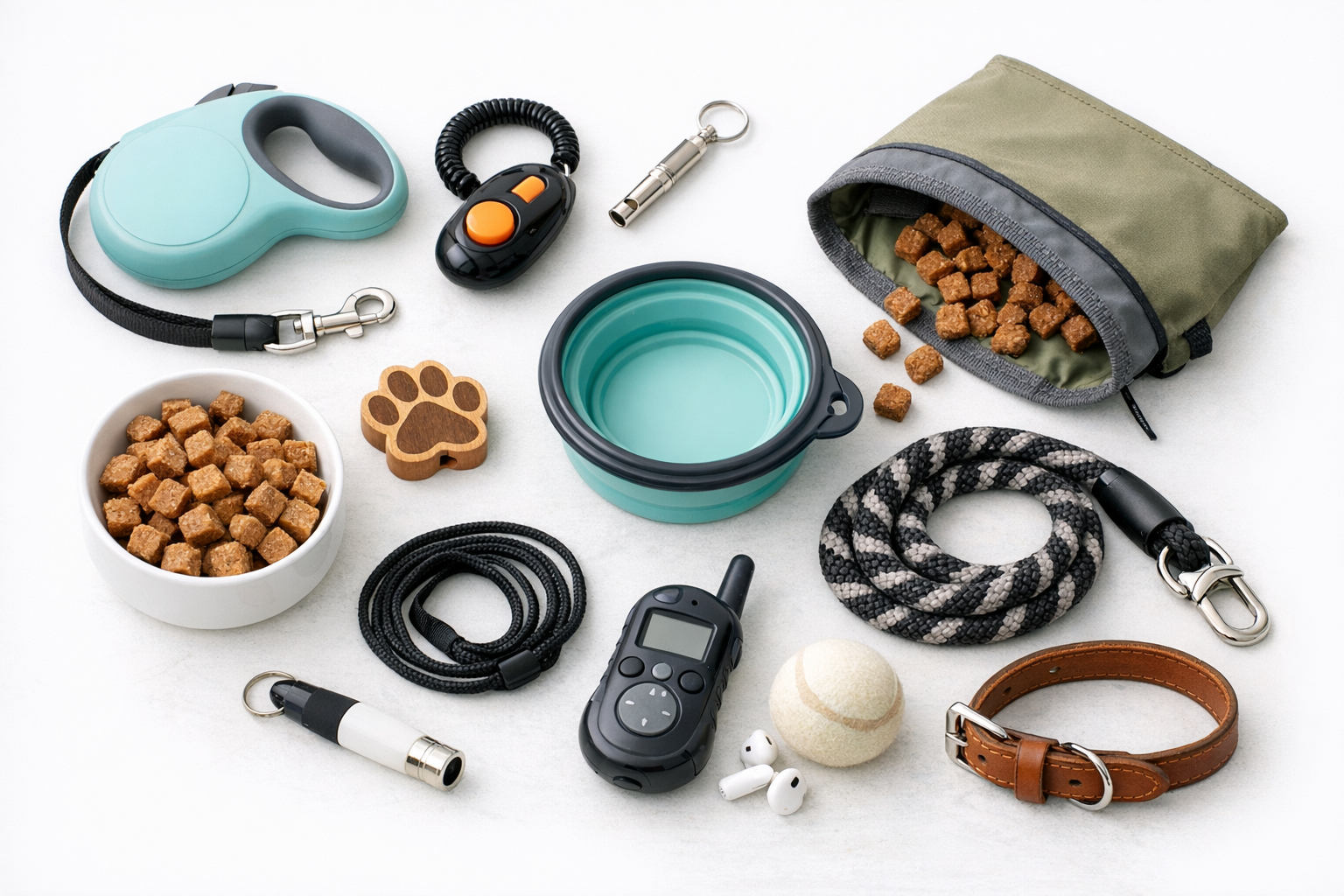
- High-value food rewards your dog adores (tiny, soft, smelly). Examples: cooked chicken, cheese, or a favorite training treat like Zuke’s Mini Naturals.
- Treat pouch so reinforcement is fast and hands-free, e.g., Kurgo Go Stuff It Treat Bag.
- 6-foot leash for neighborhood practice.
- 20–30 ft long line for safe, semi-off-leash training outdoors, such as PetSafe 30-ft Training Lead.
- Well-fitted harness (front-clip or back-clip) to protect your dog’s neck while using a long line, like Ruffwear Front Range Harness.
- 1–2 favorite toys (tug, squeaky ball) to use as alternate reinforcers.
- Clicker (optional) if you like marker training, e.g., Karen Pryor i-Click. Your voice marker (“Yes!”) works too.
- Whistle (optional) for a consistent “emergency recall” cue, such as Acme 210.5 Dog Whistle.
- Quiet starter space indoors to build the behavior before you add distractions.
Step-by-Step Plan for Teach Dog Come
Step 1: Charge Your Recall Word (Make “Come” Predict Greatness) for Teach Dog Come
Pick one recall word or sound and stick with it. Popular choices: “Come!”, “Here!”, or a whistle. For your emergency recall (a supercharged version), choose a separate cue like a specific whistle pattern or a quirky word you won’t say casually.
- Say your chosen cue once in a quiet room.
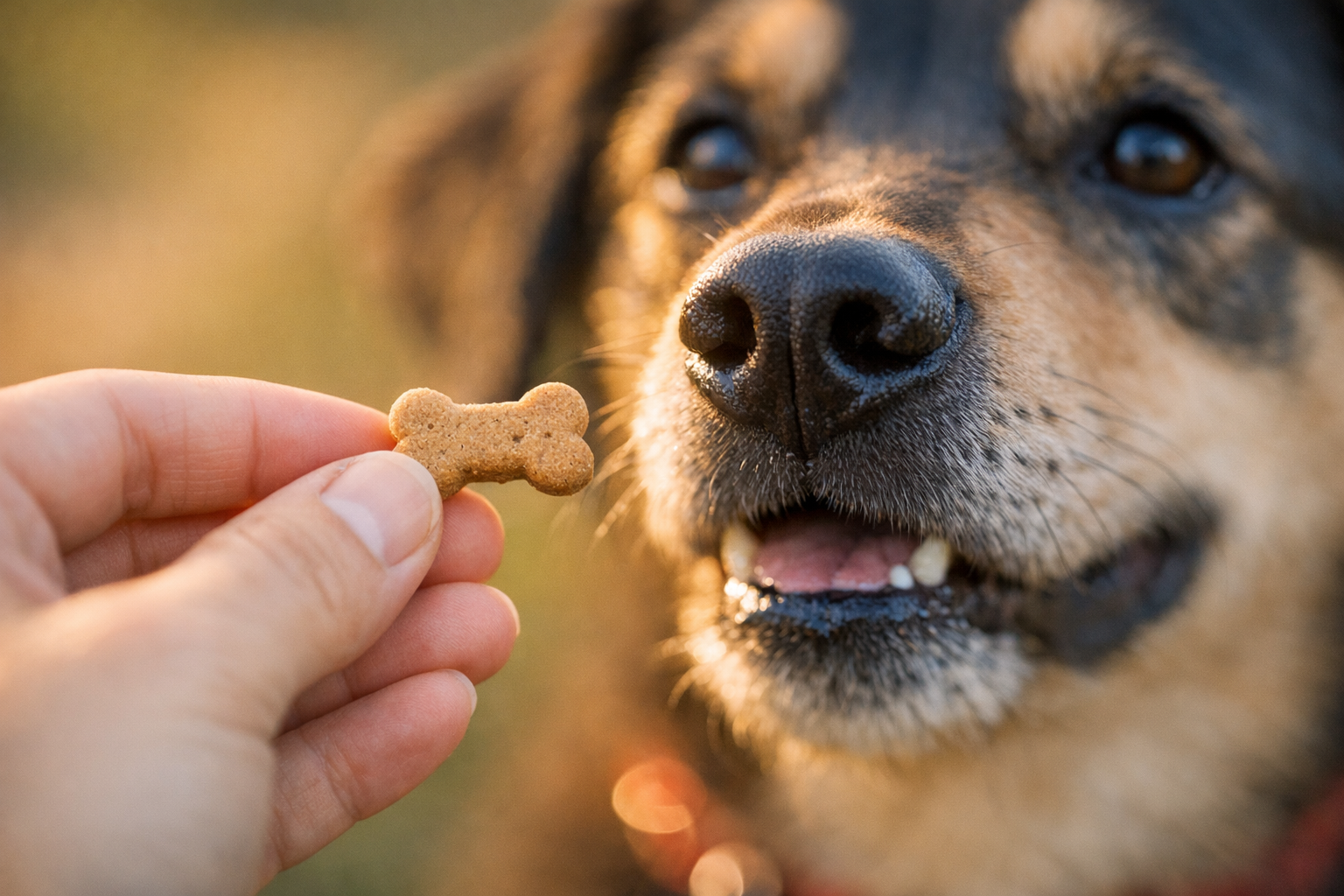
- Immediately feed 3–5 amazing treats in a row, one by one, like a jackpot.
- Pause 10–20 seconds and repeat 5–10 times. Your dog doesn’t have to move—this phase simply pairs the sound with goodness.
Do several mini-sessions over 1–2 days. You’re building a reflex: hear the cue, expect a party.
Step 2: Short Distance, Certain Success (Indoors) for Teach Dog Come
Now add easy movement so your dog earns reinforcement for coming to you.
- Stand 3–6 feet from your dog in a low-distraction room.
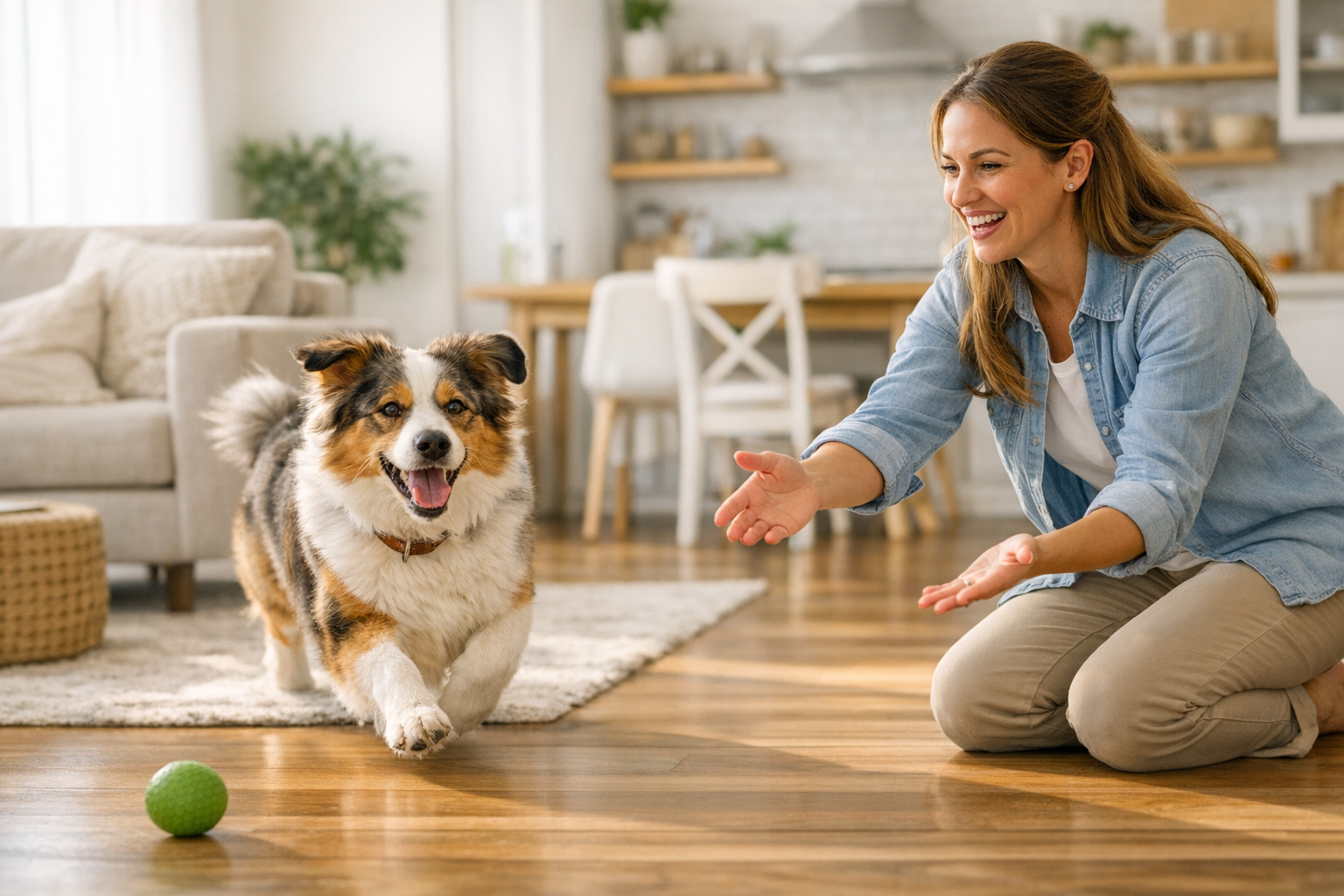
- Say your recall cue once, then make it easy: crouch slightly, smile, open your arms, and back up a step. Be inviting!
- As your dog turns and heads your way, mark (“Yes!” or click), then feed a rapid handful of treats and offer a brief play burst (2–5 seconds of tug or toss a toy).
- Release your dog: toss a treat away (“Get it!”) or send them back to sniff/play. This tells your dog that coming to you doesn’t always end the fun.
Keep sessions short and sweet—6–10 repetitions, 2–3 times daily. If your dog hesitates, make it easier (shorter distance, peppier body language, tastier treats).
Step 3: Make It a Game (Movement, Hide-and-Seek, and Treat Toss) for Teach Dog Come
Dogs love games. Use that to make recall rocket-fun. Read more: Complete Guide to the Sphynx Cat: Personality, Care & Tips
- Chase Me: Call once, then jog backward a few steps. Moving away triggers pursuit. Mark, reward big when your dog catches you, then release.
- Treat Toss Recalls: Toss a treat out, let your dog eat it, then cue “Come!” as they lift their head. Mark, reward heavily with a better treat than the tossed one.
- Hide-and-Seek: Have another person gently hold your dog while you duck behind a doorway or go into another room (start easy). Call once, cheer when they find you, and reward party-style.
Rotate games to keep enthusiasm high. If your dog starts anticipating and arriving before the cue, great—reinforce that eagerness.
Step 4: Make It Official: how to teach your dog to come when called (Indoors to Yard) for Teach Dog Come
Now we’re growing the behavior. Progress gradually so your dog stays successful.
- Increase distance indoors. Call from 10–20 feet in different rooms and hallways. Vary where you are (on a chair, at the fridge) and where your dog starts (bed, doorway, sniffing a toy).
- Add mild distractions. Turn on the TV, drop a paper towel, or have a family member move around. If your dog struggles, reduce the distraction and pay more generously.
- Go to the yard on a long line. Clip your long line to a harness (not a collar) for safety. Let your dog sniff. Call once. If they choose you, jackpot and release them back to explore. If they hesitate, gently step on the line to prevent wandering further, then lower difficulty: reduce distance, add movement, and sweeten rewards.
Outdoors, reward big and often. You are competing with the world—bring the good stuff.
Step 5: Long-Line Confidence and Real-World Reps for Teach Dog Come
This is your bridge to reliable off-leash skills. The long line lets your dog experience freedom while you keep safety and success on your side.
- Practice at different parks or fields at quiet times first. Sniffing is allowed. Call once; if your dog commits to you, burst into praise, feed 3–5 treats, and then release them back to sniff. The “come-then-back-to-fun” pattern is gold.
- Vary reinforcement. Sometimes it’s a handful of treats, other times it’s a quick tug game, a tossed ball, or permission to sprint to a tree. Keep your dog guessing which treasure arrives.
- Gradually add distractions: start with birds far away, one calm dog at a distance, or mild traffic noises. If your dog can’t succeed at least 80% of the time, the challenge is too big—dial it back.
- Use your gear smartly: a comfortable harness like Ruffwear Front Range Harness and a sturdy long line such as PetSafe 30-ft Training Lead make practice safe and practical.
Repeat short sessions (5–10 minutes). End on a win and give your dog a sniffari victory lap.
Step 6: The Collar-Grab, Leash-On, and Release Routine for Teach Dog Come
Many dogs learn that coming to you equals “leash on, fun over.” Let’s rewrite that story.
- Collar-Grab Game: Gently take your dog’s collar or harness, feed a treat. Repeat until your dog happily pushes into your hand for the grab.
- Leash-On = Treats + Freedom: Clip the leash, feed 2–3 treats, then unclip and release your dog to play again (when safe). Mix in real departures too, but keep the ratio heavily in favor of “leash on, party continues.”
- Quick Check-Ins: On walks, randomly call your dog, reward, then say “Go sniff!” to release. This builds a habit of checking in without fearing the end of fun.
When your dog trusts that coming close is safe and rewarding, recall speeds up and gets happier.
Step 7: Build an Emergency Recall
This is your “pull the ripcord” cue for high-stakes moments (open gate, dropped leash, sudden hazard). Use a unique sound or word that you reserve for emergencies and occasional surprise jackpots.
- Charge it like Step 1, but with even better paydays—think rotisserie chicken, cream cheese, or an all-time favorite.
- Practice sparingly in easy settings, reinforcing with over-the-top rewards and play.
- Never use the emergency cue for anything your dog dislikes (end of play, nail trims, crate time). It must stay pristine.
Keep your everyday recall strong with routine practice, and keep the emergency one rare and unbeatable.
Common Mistakes to Avoid
- Repeating the cue. Saying “Come, come, come!” teaches your dog the first one doesn’t count. Say it once, then help your dog succeed (movement, long line guidance, better rewards).
- Calling only when fun is over. If “Come” always ends the party, your dog will dodge you. Build a habit of recall → reward → back to fun, most of the time.
- Underpaying in hard places. The park needs park-level paychecks. Bring top-tier treats and your dog’s favorite game.
- Advancing too fast. New places and bigger distractions need smaller steps. If success dips below ~80%, you’ve leveled up too quickly.
- Grabbing or scolding on arrival. Dogs avoid what feels unsafe. Always make arriving at you predict good things and gentle handling.
- Letting the long line drag where it can snag. Use open areas and keep an eye on the line to avoid tangles.
- Training when your dog’s needs aren’t met. A dog who’s under-exercised, hungry, or needs a potty break won’t focus. Meet needs first.
Troubleshooting
- “My dog ignores me outside.” Go back a step. Use the long line, cut distance, and increase reward value and frequency. Start at quieter times/areas. If your dog turns their head toward you, mark and pay—even partial effort is progress. Build from there.
- “They come halfway, then veer off.” You’ve hit the edge of their skill. Reduce competing distractions, shorten distance, and make your arrival party irresistible. Practice the collar-grab game so proximity feels safe.
- “Recall got worse during adolescence.” Totally normal. Keep sessions short, raise reinforcement value, and protect the cue with management (long line) so they can’t rehearse ignoring you.
- “They only come if I have treats.” You likely phased out food too fast or didn’t mix in other reinforcers. Use a variable schedule: sometimes a handful of treats, sometimes a tug game, sometimes a release back to sniff. Surprise jackpots keep speed high.
- “They run from me when I reach for the collar.” Play the collar-grab game daily. Approach calmly, feed at the collar/harness, clip on, feed again, then unclip and release often so leash-on doesn’t always predict leaving.
- “Other dogs make recall impossible.” Start with well-mannered dogs at a distance where your dog can still think. Call once, reward heavily, then release them back to play if appropriate. Shrink the distance only when your dog is nailing it.
- “My dog bolts after wildlife.” Use a long line anywhere wildlife is possible while you train. Teach an emergency recall and a solid “Find It!” scatter-cue to redirect. Build impulse control with simple games (sit for toss, hand target). Predatory chasing is powerful—progress gradually and never practice off-leash where you can’t control the environment.
- “Do I need an e-collar to get a reliable recall?” Many families achieve excellent recall with positive reinforcement and good management. Remote collars can have side effects (fear, avoidance) if misused. If you’re considering one, work first with a credentialed professional who prioritizes humane, evidence-based methods.
How Long It Usually Takes
Plan on layers, not leaps. With daily, focused practice: Read more: Complete Guide to the Ragdoll Cat: Personality, Care & Tips
- Indoors: 1–2 weeks to see a fast, happy response from room to room.
- Yard/quiet outdoor spots (on long line): 2–4 additional weeks for consistent, eager returns.
- Public spaces with moderate distractions: 4–8+ additional weeks depending on your dog’s age, temperament, and the environment.
- Reliable off-leash in safe areas: often several months of proofing. Some dogs, especially adolescents or high-chase breeds, need ongoing maintenance and selective off-leash privileges.
Adolescence, breed tendencies, and reinforcement history all influence timelines. The common thread in success stories: lots of easy wins, stellar rewards, and smart use of a long line until your dog is truly ready.
When to Get Professional Help
Call in a pro if you’re stuck or safety’s at risk. A certified trainer (e.g., CPDT-KA), behavior consultant (CBCC-KA, IAABC), or veterinary behaviorist can tailor a plan, troubleshoot quickly, and keep things humane and effective.
- Seek help if:
- Your dog shows fear about approaching or being handled.
- Your dog has a history of bolting, traffic-chasing, or wildlife pursuit.
- Recall collapses around other dogs or people despite careful practice.
- You’re considering aversive tools and want kinder, evidence-based options.
- You need a management plan for multi-dog households or kids + dogs dynamics.
Great professionals teach you how to train between sessions and set realistic milestones so progress feels steady and safe.
FAQ
Should I use my dog’s name or a separate word for recall?
Use your dog’s name to get attention (“Riley!”), then your recall cue (“Here!”). Names can get noisy in daily life. A distinct recall word or whistle stays clearer and is easier to protect.
What if my dog won’t take treats outside?
That means the environment is too exciting right now. Increase distance from distractions, switch to ultra-high-value food, and try pairing food with a quick play burst. You can also train right before mealtime when your dog is a bit hungrier. Build gradually from easy to harder locations.
Can I practice off-leash in a fenced dog park?
Dog parks are advanced: tons of distractions, unpredictable dogs, and limited control. Build your dog’s recall elsewhere first (yard, quiet fields on a long line). If you do go, practice quick, fun check-ins with fast rewards and immediate release back to play. Avoid calling if you’re not ready to reinforce heavily.
Is a whistle recall better than a word?
Neither is automatically “better,” but whistles have advantages: they sound the same every time and carry farther in wind. If you use one, practice just like a verbal cue—charge it, protect it, and pay it well.
How do I handle recall with multiple dogs?
Teach each dog individually first. Then add group games where you call one dog at a time and reinforce only the named dog who comes. A helper can gently prevent the other from following at first. Rotate who gets called so everyone learns to listen for their turn.
Will I always need to carry treats?
Think of treats like a salary while your dog is learning. Over time, you’ll blend in other reinforcers (toys, praise, access to sniff/play) and use a variable schedule. Still, bring rewards for harder environments—it’s smart management to keep recall sharp.
Teaching recall is an investment that pays off for life. With consistent practice, great rewards, and a dash of playfulness, you now know how to teach your dog to come when called—even when the world is exciting. Protect the cue, celebrate every win, and keep the game fun. Your future self (and your off-leash adventures) will thank you.


