Complete Guide to the Ragdoll Cat: Personality, Care & Tips
When it comes to ragdoll cat personality, big, blue-eyed, and famously floppy, the Ragdoll is a cat built for companionship. These gentle giants follow you from room to room, melt into your arms when you pick them up, and generally prefer “let’s hang” over “let’s hunt.” If you want a cat who thrives on attention, tolerates family chaos with zen-like calm, and still retains just enough feline independence to be fascinating, this complete guide to the ragdoll cat: personality, care & tips will help you understand what daily life with this breed really looks like—soft fur, big purrs, and a surprising amount of common sense wrapped in a plush coat.
Expect a social, medium-energy cat that learns routines quickly and enjoys being part of them—morning coffee, evening TV, and everything in between. Ragdolls are often called “puppy-like,” but they’re still cats: they appreciate choice, prefer gentle handling, and need thoughtful enrichment to stay mentally sharp and physically healthy. If you picture a cat who’s mellow without being boring, affectionate without being clingy (most of the time), and stunning without being high-maintenance, you’re on the right track.
Quick Facts
- Breed group: Pedigreed domestic cat
- Origin: United States (California, 1960s)
- Size: Large; males typically 15–20+ lb, females 10–15 lb
- Body: Substantial bone, broad chest, long body, strong hindquarters
- Coat: Semi-long, silky, low-to-moderate undercoat
- Colors/Patterns: Seal, blue, chocolate, lilac, red, cream; colorpoint, mitted, bicolor; with possible tortie and lynx overlays
- Eye color: Always blue
- Temperament: Affectionate, calm, social, “floppy” when held
- Activity level: Moderate
- Vocalization: Typically soft, conversational trills and meows
- Shedding: Moderate year-round with seasonal increases
- Family-friendly: Excellent with respectful children and cat-savvy dogs
- Indoor life: Strongly recommended; not street-smart
- Lifespan: Commonly 12–17 years
Related Articles You Might Enjoy
History and background for Ragdoll Cat Personality
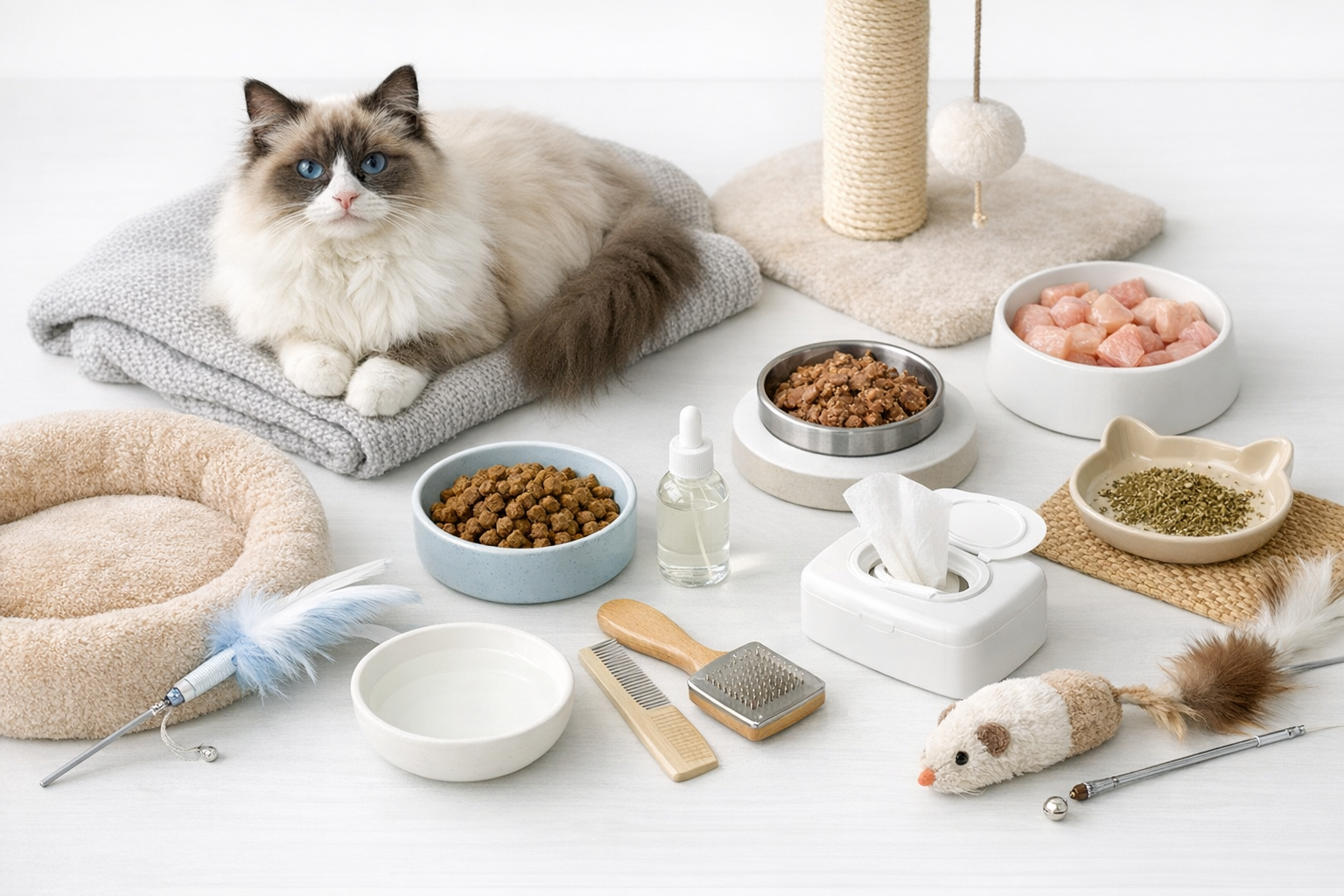
The Ragdoll story starts in Riverside, California, in the 1960s with breeder Ann Baker and a domestic longhair cat named Josephine. After Josephine recovered from an accident, Baker noticed her kittens were unusually docile and relaxed when handled—“ragdoll” floppy—which inspired selective breeding. The exact mix of foundation cats is debated, but Persians or Burmese/Birman-like cats likely contributed to the breed’s plush coat and pointed pattern.
Baker developed an early registry and trademarked the Ragdoll name, which led to some drama and splintered breeding programs. Over time, independent breeders focused on standardized looks, reliable temperaments, and sound health. The Ragdoll was accepted by major registries in the late 20th century (TICA recognition in 1979, CFA in 1993). Today, Ragdolls are among the most popular pedigreed cats in North America and Europe, known for their large size, striking blue eyes, and that famously mellow attitude.
Fun myth, gently debunked: Ragdolls aren’t immune to pain—they’re simply relaxed, trusting cats who may go limp when you hold them. They feel pain like any cat, so gentle handling and regular vet care are still essential.
Appearance for Ragdoll Cat Personality
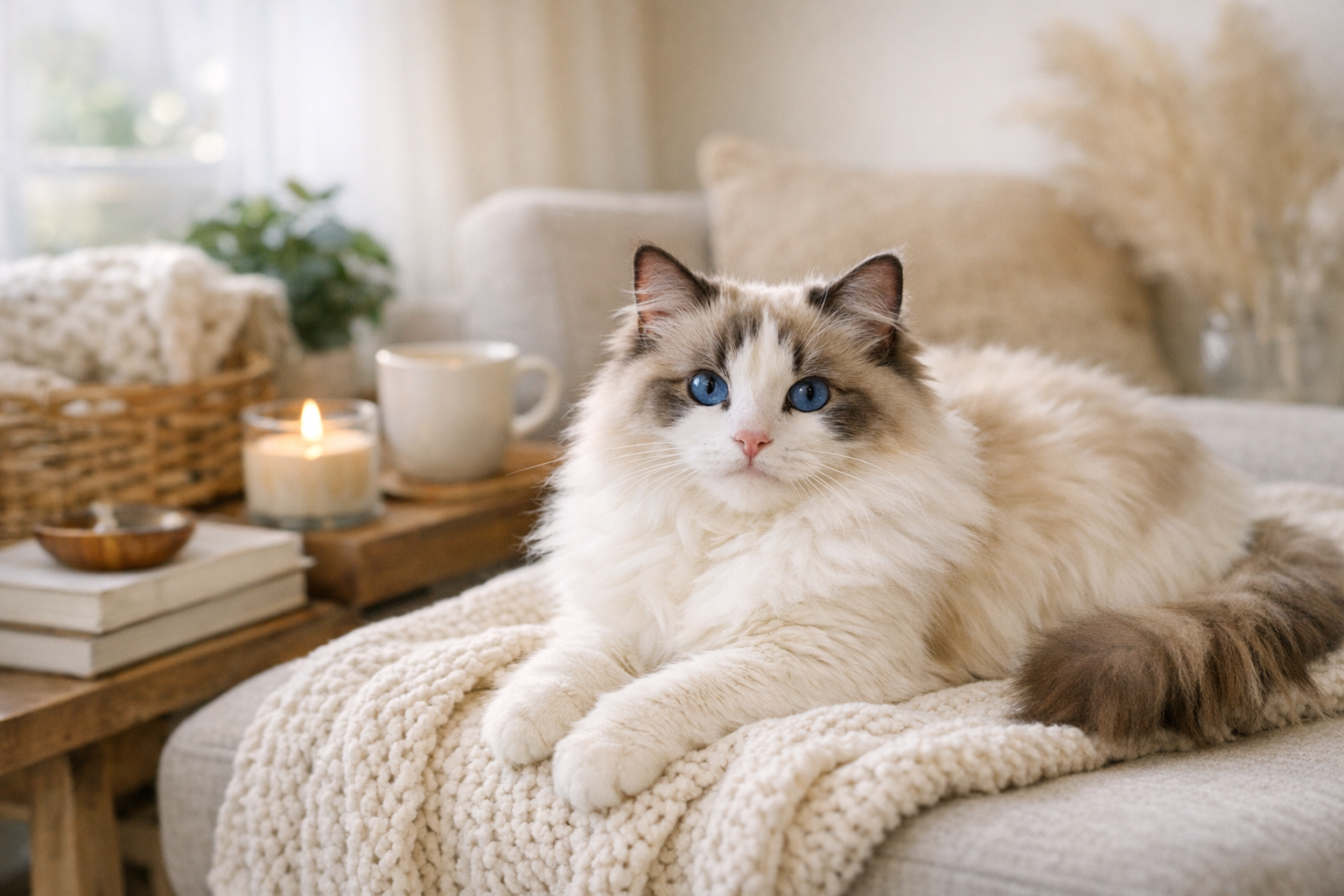
Ragdolls look like they were sculpted out of velvet. This is a big, sturdy cat with a long, rectangular body, heavy boning, and a substantial frame that takes time to fully mature—often three to four years. The coat is semi-long and silky, more like rabbit fur than typical cat fluff. Because Ragdolls tend to have less dense undercoat than some longhaired breeds, they’re less prone to severe matting, but they still shed seasonally.
The head is a broad, modified wedge with rounded contours, medium ears set slightly forward, and a strong chin. The eyes are oval and strikingly blue—always blue. The coat pattern is pointed, which means the face, ears, legs, and tail are darker than the body. You’ll see three classic patterns:
- Colorpoint: Darker extremities with no white markings.
- Mitted: White “mittens” on front paws, white boots on hind legs, belly stripe, and a white chin.
- Bicolor: Inverted “V” of white on the face, white legs, and belly with a colored saddle.
Colors range from seal and blue to chocolate, lilac, red, and cream, sometimes overlaid with lynx (tabby striping) or tortie patterns. The tail is long and plumed, the coat drapes rather than puffs, and the overall impression is grand but gentle.
Temperament and personality for Ragdoll Cat Personality
If most cats are charming introverts, the Ragdoll is your friendly ambivert: sociable and curious without being pushy. Many will greet you at the door, sleep at your feet, and flop into your lap like a warm stuffed animal. They often enjoy being carried and handled more than the average cat, though every Ragdoll has personal preferences. Expect a cat who bonds deeply with their people and enjoys predictable routines.
Ragdolls are typically good with respectful kids and cat-savvy dogs because they’re less reactive than many breeds. They’re not usually big climbers or daredevils. Instead, they prefer mid-level perches, sun puddles, and a front-row seat to whatever you’re doing. Many Ragdolls will fetch toys, follow you to the shower, and join family movie night. They’re often quiet conversationalists, offering polite chirps and slow blinks rather than operatic arias.
What they’re not: wild athletes or loners. A bored Ragdoll can become clingy or mopey. They thrive in homes where someone is around much of the day or where there’s another friendly pet. They also excel at being indoor-only cats: they’re trusting by nature and can lack street smarts.
Your complete guide to the ragdoll cat: personality, care & tips in real life for Ragdoll Cat Personality
Day to day, a Ragdoll wants company, gentle play, and easy structure: two short play sessions, a quality diet, quick weekly grooming, and cozy hangouts near you. Offer soft beds, a mid-height cat tree, puzzle feeders, and respectful handling—and you’ll have a deeply affectionate roommate who repays you in purrs and calm, watchful companionship.
Exercise and activity needs for Ragdoll Cat Personality
While Ragdolls aren’t built for parkour, they still need daily movement to maintain muscle tone and a healthy weight. Think of their exercise plan as “purposeful and playful,” not extreme.
- Interactive play: Two 10–15 minute sessions daily with a wand toy or a chaseable lure. End with a treat or meal to satisfy the hunt-eat-groom-sleep cycle.
- Fetch and floor games: Many Ragdolls enjoy retrieving crinkle balls or plush mice. Keep throws short; the point is engagement, not wind sprints.
- Vertical interest: Provide mid-height perches and window seats. This breed often prefers ramps and platforms to tall, skinny towers.
- Puzzle feeding: Rotate a few simple food puzzles to stimulate problem-solving and slow down mealtimes.
- Harness walks (optional): Some Ragdolls take to harness training, especially if started young. Choose calm routes and reward heavily for confidence.
What to avoid: high-pressure workouts, forced activity, and boredom. Ragdolls need enough movement to burn energy and support joints, but they’re not built for marathon zoomies.
Training and socialization tips for Ragdoll Cat Personality
Ragdolls are highly trainable because they’re people-focused and routine-oriented. Use short, upbeat sessions and tiny rewards. You’re shaping habits and making cooperation easier for life’s “not-fun” moments (grooming, vet visits, carriers).
- Clicker basics: Use a clicker or marker word to teach sit, come, and touch/target. Start with easy wins and reward generously. Clicker & Target Stick
- Carrier training: Keep the carrier open as a cozy den. Feed treats and meals near it, then inside it. Practice short “door closed” sessions with calm rewards.
- Grooming cooperation: Pair brushing and nail trims with treats. Start with seconds, not minutes, and stop before your cat wants to.
- Scratching etiquette: Provide a tall sisal post and a sturdy horizontal scratcher. Reward scratching the right spot; cover or move off-limits areas.
- Litter box confidence: Big boxes, easy access, unscented litter, and daily scooping. Cats vote with their paws.
- Socialization: Invite calm visitors, expose your cat to gentle household sounds, and reward brave curiosity.
- Leash intro (optional): Fit a comfortable harness, reward wearing it indoors, then progress to short, quiet patio sessions. H-Style Cat Harness
Tools that help: pea-sized soft treats and a training mat signal “school time.” Soft Cat Training Treats Keep sessions to 3–5 minutes and end on a win.
Grooming and shedding for Ragdoll Cat Personality
Ragdolls wear a semi-long, silky coat that floats more than it tangles, but it still benefits from regular care. Most owners do well with a twice-weekly brushing routine, increasing to daily during spring and fall shed seasons. Start grooming early in kittenhood so your adult cat sees it as spa time, not a wrestling match.
- Brushing: Use a slicker brush for surface loose fur and a wide-tooth comb for the “pants,” armpits, and behind the ears. Keep pressure light and strokes short. Stainless Slicker Brush, Wide-Tooth Comb
- De-shedding: During heavy shed, a gentle de-shedding tool can help—but go easy to protect the coat. Deshedding Tool
- Bathing: Rarely necessary unless your cat is sticky or oily. If bathing, use a cat-safe shampoo, rinse thoroughly, and towel-dry in a warm bathroom.
- Nails: Trim every 2–4 weeks. Pair with treats and a calm, steady hold. Cat Nail Clippers
- Ears and eyes: Wipe away mild tear staining and check ears weekly. Clean only what you can see with a pet-safe wipe. Pet-Safe Grooming Wipes
- Dental care: Brushing teeth a few times per week protects against gum disease. Add dental treats or water additives if brushing isn’t possible.
Shedding reality check: Ragdolls shed year-round, more in spring and fall. Regular grooming reduces tumbleweeds and hairballs, but you’ll still find silky confetti on every black outfit you own. A quality vacuum and lint roller are part of the starter kit.
Health concerns and lifespan
Ragdolls are generally robust cats with a long lifespan, but like any breed, they have some known health considerations. Good breeders screen breeding cats and share health histories. Preventive care and weight management do the heavy lifting for longevity.
- Hypertrophic cardiomyopathy (HCM): A heart condition seen in many breeds, including Ragdolls. There’s a known genetic mutation (MyBPC3) in some lines. Responsible breeders DNA-test their cats and avoid breeding affected individuals. Your vet may recommend periodic cardiac checks, especially if there’s a family history.
- Obesity and joint stress: With their large frames, extra weight can creep on. Keep your Ragdoll lean to reduce stress on hips and knees and to lower diabetes risk.
- Urinary health: Some Ragdolls may be prone to urinary crystals or stones. Encouraging hydration (wet food, fountains) and regular vet checks help.
- Dental disease: Plaque and gingivitis are common in cats. Home dental care and professional cleanings as needed keep mouths comfortable.
- Gastrointestinal sensitivities: A small subset can have sensitive stomachs. Gradual food transitions and vet-guided diets can help.
- Polycystic kidney disease (PKD): Historically possible due to outcrossing, but much less common in tested lines. Ask about PKD screening if you’re purchasing from a breeder.
Lifespan: Many Ragdolls live 12–17 years, with proper care. Yearly (or twice-yearly for seniors) vet visits, vaccinations as recommended, parasite prevention, and prompt attention to changes in appetite, weight, thirst, or behavior are the backbone of health.
Diet and nutrition
Feeding a Ragdoll is about balancing lean muscle maintenance with weight control. Aim for a moisture-rich, high-protein diet with measured portions. Many owners use a combination of high-quality wet food (for hydration and satiety) and a controlled amount of dry food (for convenience and dental “crunch,” though brushing still matters).
- Protein first: Look for foods with animal proteins at the top of the ingredient list. Adult cats typically thrive at 30–40% protein (dry matter basis), with moderate fat.
- Wet food wins for hydration: Offer at least one wet meal daily to support urinary health. High-Protein Wet Food
- Portion control: Use the feeding guide as a starting point and adjust to maintain a visible waist and easily felt ribs. Avoid unrestricted free-feeding.
- Weight management: Large bodies hide extra pounds easily. Track body condition monthly and ask your vet for target weights.
- Digestive support: If your cat has a sensitive stomach, introduce new foods over 7–10 days and consider a vet-approved probiotic. Feline Probiotic
- Water access: Many cats drink more from moving water. A fountain often boosts intake. Feline Water Fountain
- Treats: Keep treats under 10% of daily calories. Use pea-sized rewards for training to avoid calorie creep. Soft Cat Training Treats
Kittens: Feed 3–4 small meals daily of a complete and balanced kitten formula until 12 months. Adults: 2–3 meals daily works well. Seniors: Monitor for weight changes and joint comfort; adjust calories and textures as needed with veterinary guidance.
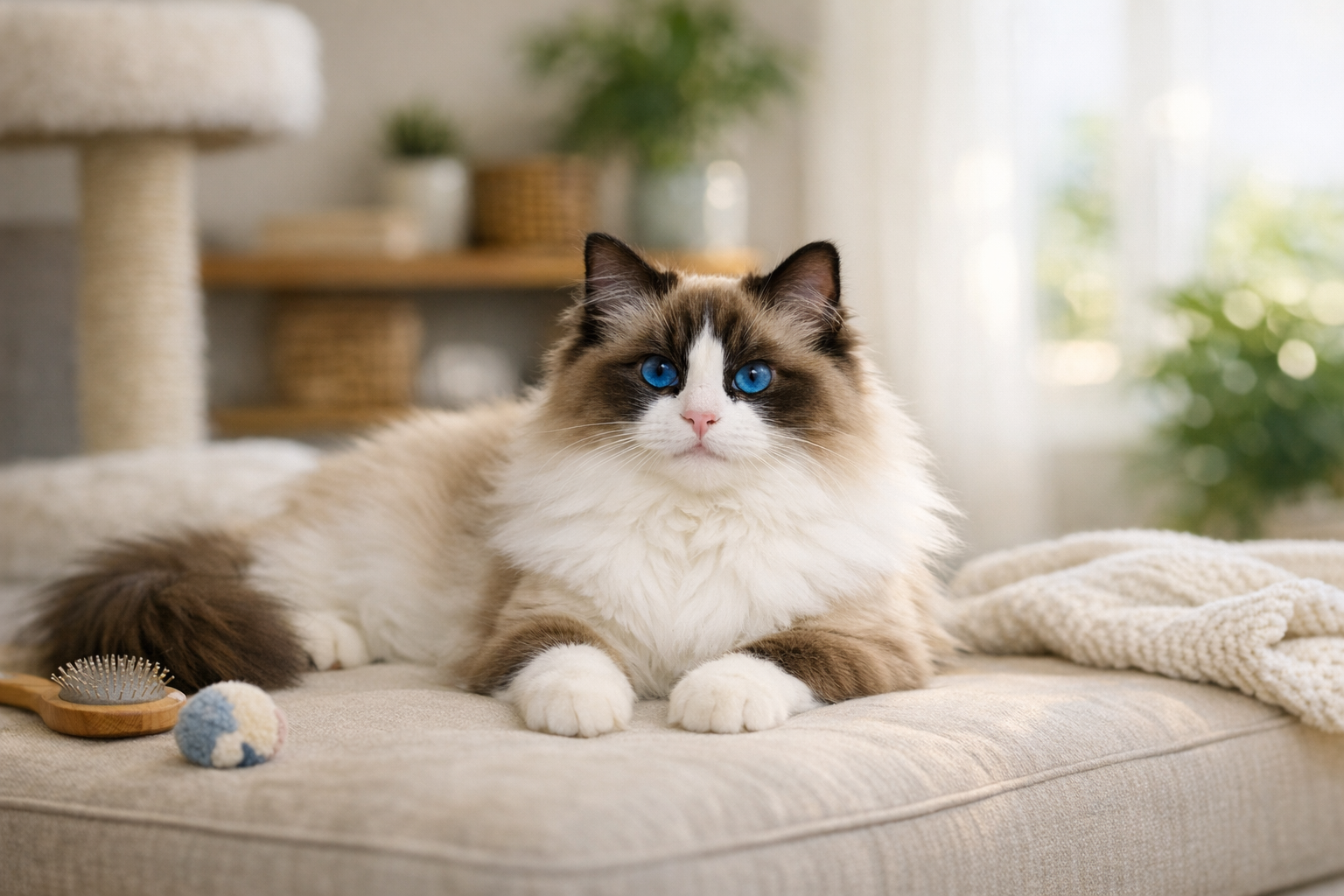 Stainless Slicker Brush, Wide-Tooth Comb, Cat Nail Clippers, Pet-Safe Grooming Wipes
Is This Breed Right for You?
Choose a Ragdoll if you want an affectionate, people-oriented cat who slots into family life without demanding a circus. They’re wonderful for gentle households, including families with respectful children and cat-savvy dogs. Many do best when someone is home much of the day or there’s another friendly pet for companionship.
You’ll enjoy this breed if you appreciate predictable routines, a moderate energy level, and a cat who wants to be included but isn’t a constant daredevil. You will need to commit to regular grooming and weight management. While they’re not as mat-prone as some longhairs, their coat still sheds, and their size makes portion control and exercise important.
Think twice if you’re away long hours with no backup enrichment, want an acrobatic athlete, or prefer a highly independent cat. Ragdolls are indoor specialists, humans-optional only for short stretches, and happiest when their people are part of the plan. If that’s your vibe, a Ragdoll may be your purring soulmate.
FAQ
Are Ragdoll cats hypoallergenic?
No. Ragdolls are not hypoallergenic. They produce the same Fel d 1 protein that triggers most cat allergies. Some people find their reactions milder due to the coat type and grooming habits, but if allergies are a concern, spend time with adult Ragdolls before committing and keep up with cleaning and air filtration.
Do Ragdolls really like being held?
Many do, and they often relax or “go limp” when picked up—hence the name. That said, it’s individual. Support the chest and hindquarters when lifting, keep holds short at first, and let your cat choose when to be cuddled. Consent-based snuggles build trust.
How big do Ragdolls get?
They’re among the largest cat breeds. Males commonly reach 15–20+ pounds; females 10–15 pounds. They mature slowly and may not hit their full size and coat until three to four years old.
Do Ragdolls get along with dogs and other cats?
Yes, when introductions are gradual and the other pet is respectful. Ragdolls’ calm, social nature makes them good candidates for multi-pet homes. Provide escape routes, vertical space, and separate resources (litter boxes, bowls) during the adjustment period.
Should Ragdolls be indoor-only?
Strongly recommended. Ragdolls are trusting and not very street-savvy. They’re happiest and safest as indoor cats with plenty of enrichment. If you want outdoor time, consider a catio or supervised harness walks.
How much do Ragdolls shed?
Moderately year-round with seasonal peaks. Twice-weekly brushing usually keeps shedding manageable; increase during spring and fall. Expect some fur on blankets, furniture, and your favorite black sweater.
What health issues should I ask a breeder about?
Ask for HCM DNA testing status, any cardiac screening history, and information about PKD. Reputable breeders will discuss family health, provide contracts, and stand behind their kittens. Regardless of source, schedule a prompt wellness exam and discuss preventive care with your vet.
In the end, this complete guide to the ragdoll cat: personality, care & tips boils down to one joyful truth: give a Ragdoll steady company, kind handling, solid nutrition, and simple enrichment, and you’ll get a devoted, velvet-soft companion who makes everyday life quietly better.
Similar Posts
Complete Guide to the Sphynx Cat: Personality, Care & Tips
Sphynx cat personality: A polished, practical guide to Sphynx cats—temperament, grooming, health, nutrition, training, and best products—so you can
Complete Guide to the Dachshund: Temperament, Care & Tips
Dachshund temperament care: A polished, practical Dachshund guide from PetNerdHQ: temperament, exercise, training, grooming, health, diet, and must-have
Complete Guide to the French Bulldog: Temperament, Care & Tips
French bulldog temperament: A polished, practical guide to French Bulldogs—temperament, exercise, training, grooming, health, diet, and the best gear.
Complete Guide to the Golden Retriever: Temperament, Care & Tips
Golden retriever temperament: A polished, practical breed guide to Golden Retrievers—temperament, training, exercise, grooming, health, nutrition, and