Complete Guide to the Sphynx Cat: Personality, Care & Tips
When it comes to sphynx cat personality, if you’ve ever met a Sphynx, you know there’s nothing “cold” about a hairless cat. They’re warm—literally and figuratively—radiators with legs, equal parts comedian and cuddle-bug. Expect a cat that shadows you, perches on your shoulder, and supervises everything from your emails to your laundry folding. The catch? That glorious nakedness comes with real upkeep. Skin care replaces fur care, ears and nails need routine attention, and temperature control matters. Consider this your complete guide to the sphynx cat: personality, care & tips—packed with practical advice for real homes, plus a few smart, nerdy insights to help you live happily with this extraordinary breed.
Sphynx cats are people-oriented and unapologetically social. They’ll greet guests at the door, insist on lap privileges, and chirp until you notice their latest discovery. They’re also clever, highly trainable, and often happier in pairs or with other pets. They do, however, require weekly bathing, frequent ear cleaning, and thoughtful nutrition to fuel their high metabolism. If you want a devoted companion and don’t mind a bit of routine care, the Sphynx delivers affection and entertainment in spades.
Quick Facts
- Breed type: Sphynx (hairless cat breed)
- Size: Medium; muscular and surprisingly solid
- Typical weight: 6–12 pounds (males often larger)
- Lifespan: About 8–14 years with good care
- Coat: Nearly hairless with suede-like down; visible wrinkles are common
- Colors/patterns: All colors and patterns can show in the skin
- Shedding: Minimal, but not zero; they still produce dander and saliva allergens
- Hypoallergenic: No (they can trigger allergies)
- Energy level: High; playful and curious
- Vocalization: Moderate; expressive chirps and meows
- Good with: Cat-savvy kids, other cats, and friendly dogs
- Notable care needs: Weekly bathing, routine ear and nail cleaning, warmth management
- Health considerations: Hypertrophic cardiomyopathy (HCM), skin issues (acne, sun sensitivity), dental disease
- Climate sensitivities: Sensitive to cold and sun exposure; indoor-only is best
- Registries: Recognized by major cat associations (e.g., CFA, TICA)
Related Articles You Might Enjoy
History and background for Sphynx Cat Personality

Modern Sphynx cats trace back to a spontaneous natural mutation in domestic cats that led to hairlessness. One of the earliest and best-documented litters appeared in Toronto, Canada, in 1966, when a hairless kitten named Prune was born to a domestic shorthair. Breeders were intrigued and began thoughtful outcrossing programs (including with certain shorthair and Rex-type cats) to build genetic diversity and stabilize the look, temperament, and health of what would become the Sphynx breed.
By the 1970s and 1980s, dedicated breeding partnerships in North America and Europe refined the Sphynx’s signature features: large ears, lemon-shaped eyes, athletic build, and that famous suede-like “almost naked” skin. The result is not a fragile novelty, but a sturdy, muscular cat with a social streak and a knack for training. Major organizations like TICA and CFA eventually recognized the breed, and responsible breeders today continue to emphasize health testing, temperament, and genetic diversity alongside appearance.
While the absence of fur is the headline, the breed’s true legacy is its personality: bold, social, and deeply human-focused. These are not aloof lap-adjacent cats; they are lap-required cats who nuzzle, knead, and purr their way through your daily routine.
Appearance for Sphynx Cat Personality
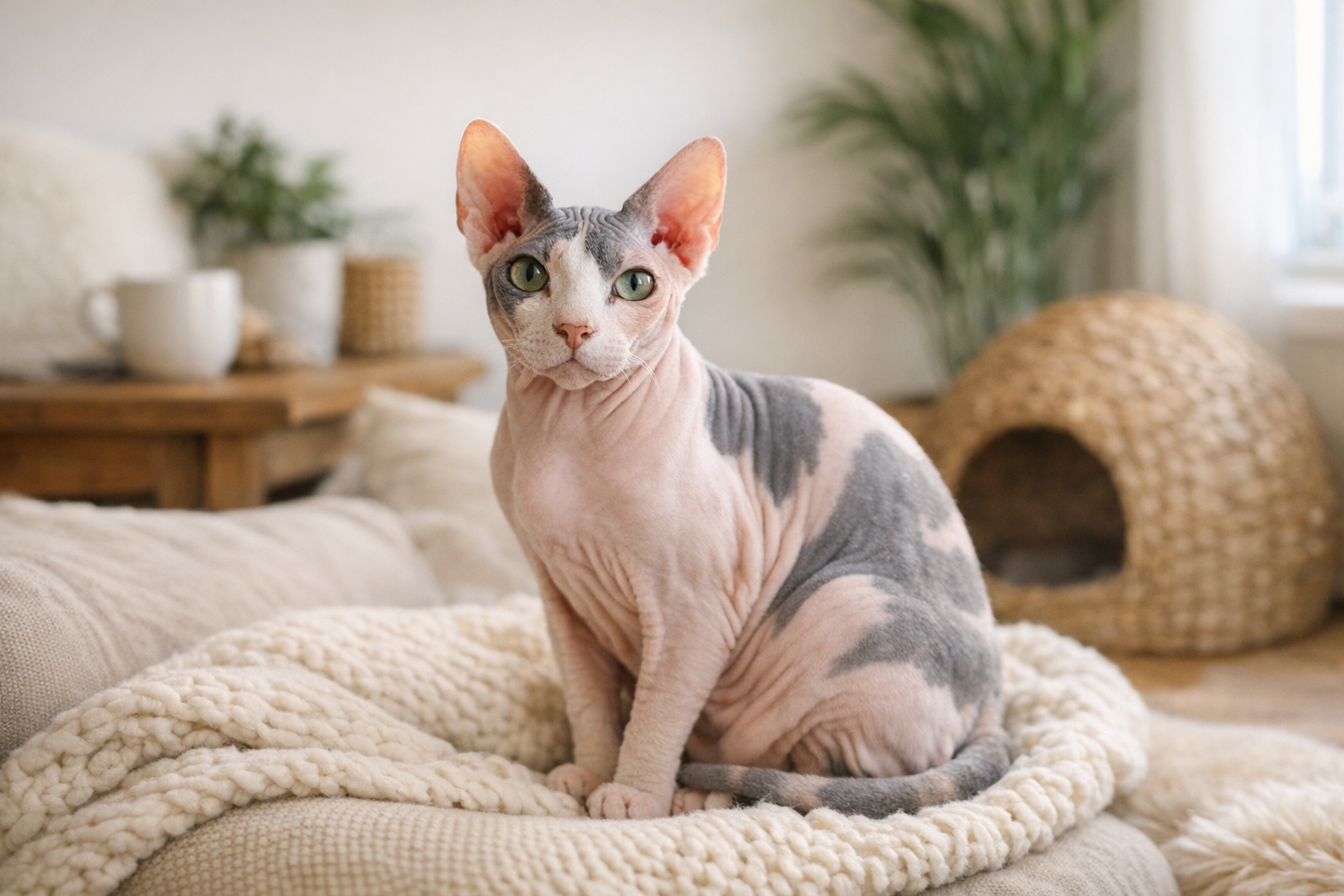
The Sphynx is instantly recognizable: a medium-sized, muscular cat with generous wrinkles, bat-like ears, prominent cheekbones, and a wide-set gaze. Their skin often carries the same colors or patterns one might see in a coated cat—solid, tabby, tortie, colorpoint—only expressed directly on the skin. Most have a fine down over the body that reads as warm suede to the touch. Whiskers may be sparse, curled, or absent.
Close inspection reveals breed-specific details: heavier paw pads (sometimes called “walking on cushions”), a pot-bellied but athletic torso, and a strong, wedge-shaped head that looks alert and curious. The tail is often long and whippy, adding to the impression of elegant mischief.
It’s worth noting that “hairless” doesn’t mean uniform. Some Sphynx have a bit more fuzz on their noses, tails, or toes. Seasonal changes and hormones can also influence the amount of down present. Regardless, the signature look remains: smooth, wrinkled, and wonderfully expressive.
Temperament and personality for Sphynx Cat Personality
If you want a cat who acts like your extroverted roommate, meet the Sphynx. They adore people, crave attention, and are famously inquisitive. Expect an affectionate shadow that rides your shoulders, sleeps under your covers, and has heartfelt opinions about your snack choices. Many Sphynx cats are talkative—not Siamese-level chatty, but conversational—using trills and chirps to keep you updated.
They’re also clever and surprisingly biddable. You can teach a Sphynx to come when called, play fetch, ride in a carrier or stroller, and even enjoy supervised outdoor time in a secure harness. Their high sociability makes them a good fit for bustling households and for owners who work from home. If your schedule keeps you away for long days, consider two compatible cats or plan plenty of enrichment and a reliable cat sitter to curb loneliness.
Sphynx cats are typically friendly with kids and other pets, especially when introductions are slow and positive. Their confidence can read as clownish: they’ll belly-flop into your lap, invent new “parkour” routes, and ham it up for houseguests. Beneath the antics is a sensitive cat who bonds strongly and thrives on gentle handling, routine, and warmth.
Exercise and activity needs for Sphynx Cat Personality
Think focused play, not endless marathons. Most Sphynx do well with 2–3 lively play sessions per day (10–15 minutes each) using wand toys, chase-the-mouse games, or hallway fetch. Vertical spaces—sturdy cat trees with soft, washable covers—encourage climbing and safe zoomies. Puzzle feeders and treat-dispensing toys provide mental workouts that also slow down speedy eaters.
Because their skin is exposed, outdoor play should be limited to safe, shaded, temperature-appropriate environments. Many Sphynx enjoy harness time indoors or in a screened porch. If you do venture outside, keep it brief, avoid midday sun, and monitor for chills.
Enrichment ideas: rotating toy baskets, window perches with bird feeders outside, training sessions, and cozy tunnels. A warm, predictable environment helps them spend more time snuggled than shivering. Read more: Complete Guide to the Golden Retriever: Temperament, Care & Tips
Training and socialization tips for Sphynx Cat Personality
Sphynx cats respond beautifully to positive reinforcement. Use tiny, high-value treats and a clear marker (a clicker or a cheerful “yes!”) to teach basics: name response, hand target, sit, station (“go to mat”), and recall between rooms. These skills make daily life easier and give your cat a mental energy outlet. A simple setup—Cat Clicker and Soft Training Treats—goes a long way.
Harness and leash training is both doable and useful. Start indoors with a lightweight, well-fitted harness like Cat Harness & Leash Set. Pair the harness with treats and short sessions. Only progress when your cat is comfortable, and favor shady, quiet areas outdoors if you go outside at all. Always watch for drafts and sun exposure.
Socialization is about building positive associations. Invite calm friends over, reward polite curiosity around children, and supervise early interactions with other pets. Provide high resting spots so your Sphynx can retreat and observe before diving in. For independent time, scatter small play stations around the home and practice “settle” on a warm bed so your cat learns to relax when you’re busy.
Carrier training is essential. Feed treats near and then in the carrier, line it with a familiar blanket, and occasionally take short, low-stress car rides. You’ll thank yourself on vet days.
Grooming and shedding for Sphynx Cat Personality
Here’s the twist: hairless doesn’t mean low-maintenance. Without fur to absorb natural skin oils, Sphynx cats accumulate residue that can lead to acne or grime. Plan on weekly bathing for most adults, plus between-bath wipe-downs of high-friction areas (neck, armpits, belly, tail). Some individuals need more or less frequent baths depending on their skin and environment.
Bathing basics:
- Use lukewarm water and a gentle, fragrance-free product such as Hypoallergenic Cat Shampoo.
- Work quickly but calmly, supporting your cat securely. Focus on folds and creases.
- Rinse thoroughly to prevent residue. Leftover soap can irritate delicate skin.
- Pat dry with a warm towel, then keep your cat cozy in a draft-free room until fully dry.
Between baths, wipe the face, chin, and neck with Unscented Pet Wipes to reduce acne. Wash bedding and favorite sweaters weekly to prevent oil buildup. Avoid human products; if your vet recommends a moisturizer or medicated cleanser, choose a cat-safe formula and test a small area first.
Ears and nails need regular care. Sphynx ears can produce wax faster than coated breeds. Gently clean the outer ear with Cat Ear Cleaner and soft cotton pads once or twice a week—never insert swabs deep into the ear canal. Clean under the nails (oil collects there) and trim weekly with Cat Nail Clippers or a grinder designed for pets. Finish with a soothing cuddle under a blanket, which doubles as positive reinforcement.
Sun care and clothing considerations: Sphynx skin can burn. Indoor-only living is safest. If supervised sun exposure is unavoidable, ask your veterinarian about a pet-safe sunscreen designed for cats and apply sparingly to exposed areas. Never use human sunscreen (many contain toxic ingredients for cats). For warmth, try soft, well-fitted sweaters; introduce them gradually and keep them clean, dry, and snag-free.
Expect light shedding of down and skin cells—not clouds of hair, but enough to mark furniture over time. Regular wipe-downs and vacuuming are your friends.
Health concerns and lifespan for Sphynx Cat Personality
Overall, Sphynx cats are robust and athletic, but they do have distinct health considerations. Partner with a veterinarian who’s comfortable with the breed and commit to routine wellness checks.
- Hypertrophic cardiomyopathy (HCM): This heart condition is the breed’s most significant inherited concern. Ethical breeders screen breeding cats with echocardiograms, and many veterinarians recommend periodic heart scans for pet Sphynx as well (often annually or biannually, especially from middle age onward). Genetic tests exist for some variants, but a clear genetic test does not rule out HCM entirely, so imaging remains important.
- Skin issues: Acne, yeast overgrowth, and irritation can occur, especially with infrequent rinsing or harsh products. Gentle bathing, clean bedding, and vet-guided topical care help. A condition called urticaria pigmentosa (a mast cell–related skin disorder) is also reported in the breed; your vet can advise on management if diagnosed.
- Sun and temperature sensitivity: Avoid prolonged sun exposure, sunburn risk, and drafts or cold rooms. Most Sphynx prefer the house a few degrees warmer than coated cats.
- Dental disease: Like many cats, Sphynx are prone to periodontal problems. Start toothbrushing early with Enzymatic Cat Toothpaste and schedule regular dental checkups.
- Weight management: Their metabolism runs warm, and many are enthusiastic eaters. Keep them lean to support heart and joint health.
- Other considerations: Routine vaccinations, parasite prevention (indoor cats benefit, too), and spay/neuter as recommended by your vet.
Signs to watch for include decreased appetite, rapid breathing or open-mouth breathing at rest, lethargy, fainting episodes, persistent skin irritation, or sudden behavioral changes. Prompt veterinary care matters. With proactive wellness, many Sphynx enjoy long, happy lives within the expected 8–14 year range.
Diet and nutrition
Sphynx cats burn energy to stay warm. That usually translates to a slightly higher calorie need and a hearty appetite. Focus on a complete, high-protein cat diet that lists animal proteins up front and provides plenty of moisture. Many owners find a primarily wet-food plan helps with hydration and weight control, while a measured portion of dry can work for enrichment or puzzle feeders. Read more: Complete Guide to the Ragdoll Cat: Personality, Care & Tips
General guidelines:
- Calories: A typical adult may maintain on roughly 20–35 calories per pound of ideal body weight per day, adjusted for age, activity, and metabolism. Your vet can help you personalize a target.
- Protein: Prioritize animal-based proteins. Look for foods with adequate taurine and amino acids to support heart and eye health.
- Moisture: Wet food or a mix of wet and dry helps keep hydration up. Consider a Stainless Steel Cat Fountain to encourage drinking.
- Feeding rhythm: 2–4 smaller meals per day often suits their fast metabolism and reduces scarf-and-barf moments.
- Supplements: Omega-3s (from a cat-safe source) can support skin health; always check with your veterinarian before adding supplements.
- Digestive sensitivity: Transition foods slowly over 7–10 days. If you suspect allergies or intolerances, ask your vet about a limited-ingredient diet trial.
Helpful picks: a high-quality wet formula such as High-Protein Grain-Free Wet Cat Food, a measured dry option for enrichment like High-Protein Kibble for Cats, and a puzzle dish such as Cat Puzzle Feeder to slow eating. For treat training, keep portions tiny and account for them in daily calories.
If exploring raw or home-prepared diets, consult a veterinary nutritionist to ensure complete and balanced formulas and safe handling. Whatever diet you choose, monitor body condition monthly and adjust portions at the first sign of unwanted weight change.
 Hypoallergenic Cat Shampoo for gentle weekly baths.
Is This Breed Right for You?
Be honest about your routines and preferences. The Sphynx is a joyfully interactive companion, but they’re not a “set it and forget it” pet. If you love hands-on cat care, relish snuggle time, and appreciate a social, trainable feline, the Sphynx can be a perfect match. If you prefer a low-involvement, more independent cat, the breed’s grooming and attention needs may feel demanding.
Signs you’ll thrive with a Sphynx:
- You’re home enough to provide daily companionship and play.
- Regular bathing and cleaning don’t faze you.
- You can keep your home warm and draft-free.
- You enjoy training and enrichment games.
- You’re prepared for routine vet care, including potential heart screening.
Consider another breed—or a different pet—if you strongly dislike bathing cats, keep your home on the cooler side, want a very low-touch companion, or have severe cat allergies (Sphynx are not hypoallergenic). For many families, a pair of compatible cats helps meet social needs and keeps mischief constructive.
FAQ

Are Sphynx cats hypoallergenic?
No. While they lack a full coat, Sphynx still produce Fel d 1 (a key cat allergen) in saliva and skin. Some people experience milder symptoms because there’s less fur to scatter allergens, but reactions are individual. Spend time with adult Sphynx before adopting if allergies are a concern.
How often should I bathe a Sphynx cat?
Most adults do well with a bath about once weekly, plus wipe-downs of the face, chin, and folds between baths. Kittens may need slightly more frequent cleanups while hormones and environment settle. Adjust based on your cat’s skin; overbathing can dry and irritate, underbathing can lead to residue and acne.
Do Sphynx cats need sweaters or special temperature care?
Usually, yes—at least seasonally. Keep your home comfortably warm, provide sunny (but not direct midday) windows, and offer cozy beds. Many Sphynx appreciate soft sweaters in cooler rooms. Avoid drafts, cold surfaces, and prolonged sun. After baths, keep them warm until completely dry.
Can I take my Sphynx outside?
Indoor-only is safest. If you choose outdoor time, use a secure harness and stick to short, shaded sessions in mild weather. Check the ground temperature, avoid direct midday sun, and monitor for chills. Never leave a Sphynx unsupervised outside or in a parked car.
What grooming supplies do I really need?
Start with a gentle cleanser like Hypoallergenic Cat Shampoo, Unscented Pet Wipes for quick cleanups, Cat Ear Cleaner, and Cat Nail Clippers. Add a warm, washable blanket or Heated Cat Bed with Low Setting for post-bath snuggles. If your vet recommends skincare extras, use only cat-safe products.
Where can I find a complete guide to the sphynx cat: personality, care & tips in one place?
Right here. Bookmark this breed guide for practical, vet-informed insights on temperament, grooming schedules, health screening, training, nutrition, and smart product picks tailored to Sphynx life.
In the end, living with a Sphynx is equal parts routine and reward. Their upkeep is real, but so is the affection, comedy, and connection they bring to a home. If this complete guide to the sphynx cat: personality, care & tips matches what you want from a feline roommate—hands-on care, high-level cuddles, and everyday interaction—you’re well on your way to an exceptional cat-human partnership.
Similar Posts
Complete Guide to the Ragdoll Cat: Personality, Care & Tips
Ragdoll cat personality: Discover the Ragdoll cat’s true personality, care needs, grooming, training tips, health insights, and best products in our
Complete Guide to the French Bulldog: Temperament, Care & Tips
French bulldog temperament: A polished, practical guide to French Bulldogs—temperament, exercise, training, grooming, health, diet, and the best gear.
Complete Guide to the Dachshund: Temperament, Care & Tips
Dachshund temperament care: A polished, practical Dachshund guide from PetNerdHQ: temperament, exercise, training, grooming, health, diet, and must-have
Complete Guide to the Golden Retriever: Temperament, Care & Tips
Golden retriever temperament: A polished, practical breed guide to Golden Retrievers—temperament, training, exercise, grooming, health, nutrition, and