
10 Signs Your Dog Is Happy
When it comes to 10 signs dog, your dog can’t send a text that says “I’m thriving!”—but their body absolutely can. From wiggly spines to soft blinks, dogs broadcast emotional well-being in dozens of tiny ways. Decode those signals and you don’t just become a better observer; you become a better teammate. Below, we’ll walk through 10 signs your dog is happy, with practical ways to nurture each one. Expect a little science, a few heartfelt moments, and a lot of “aha” as you realize your pup’s been telling you the good news all along.
Best Products
| Product | Best For | Why It Helps | Link |
|---|---|---|---|
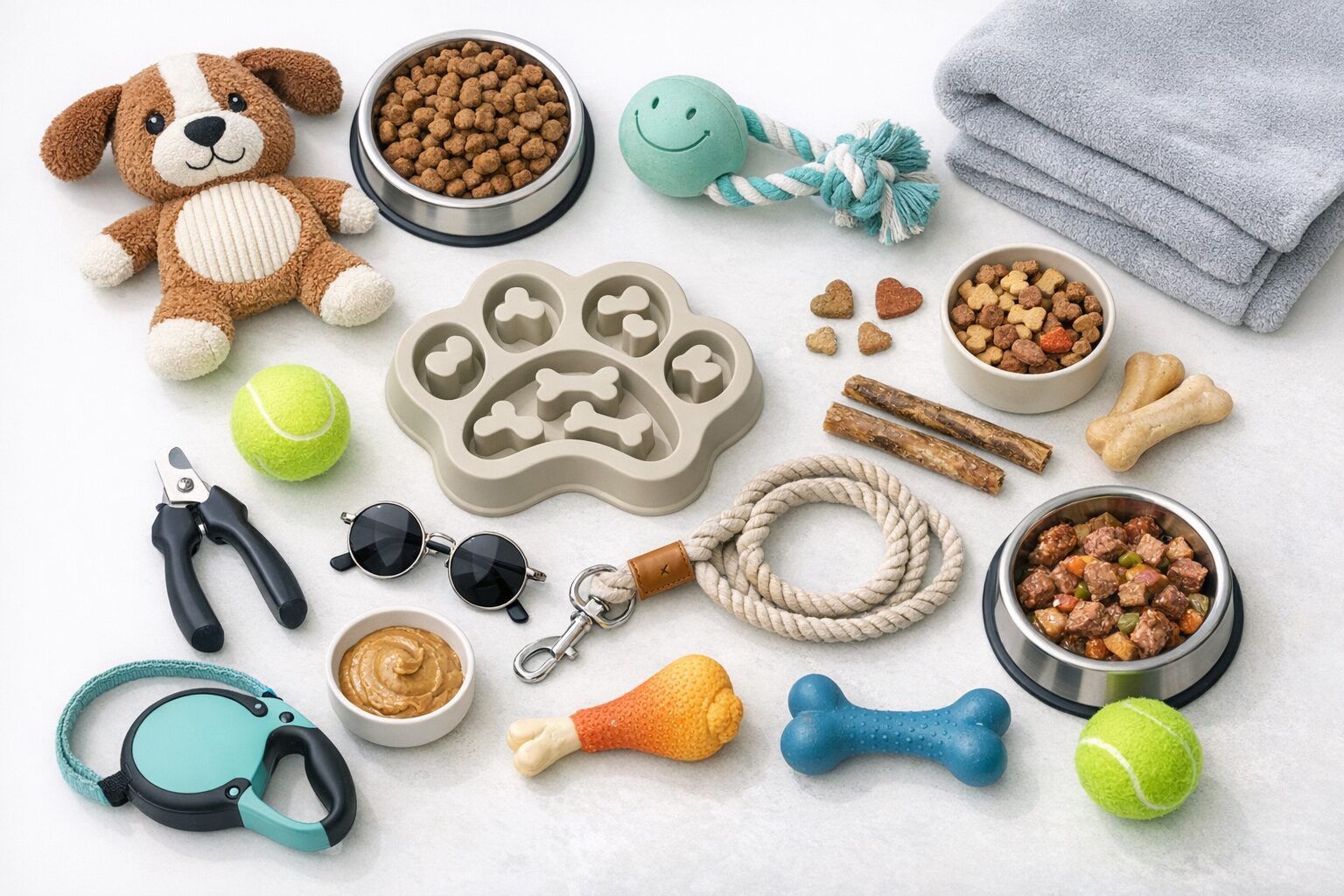
| Paw5 Wooly Snuffle Mat | Enrichment at home | Encourages natural foraging, which lowers stress and boosts calm, satisfied behavior. | Paw5 Wooly Snuffle Mat |
| West Paw Toppl | Meals that double as play | Turns dinner into a puzzle, satisfying lick/chew needs while promoting settled, happy focus. | West Paw Toppl |
| 15–30 ft Long Line | Relaxed “sniffari” walks | Gives safe freedom to explore at a dog’s pace—choice and control are big happiness drivers. | 15–30 ft Long Line |
| Orthopedic Dog Bed | Deep, pain-free rest | Joint support makes it easier to fully relax into restorative sleep for a better mood. | Orthopedic Dog Bed |
Related Articles You Might Enjoy
1. The Loose, Full-Body Wag for 10 Signs Dog
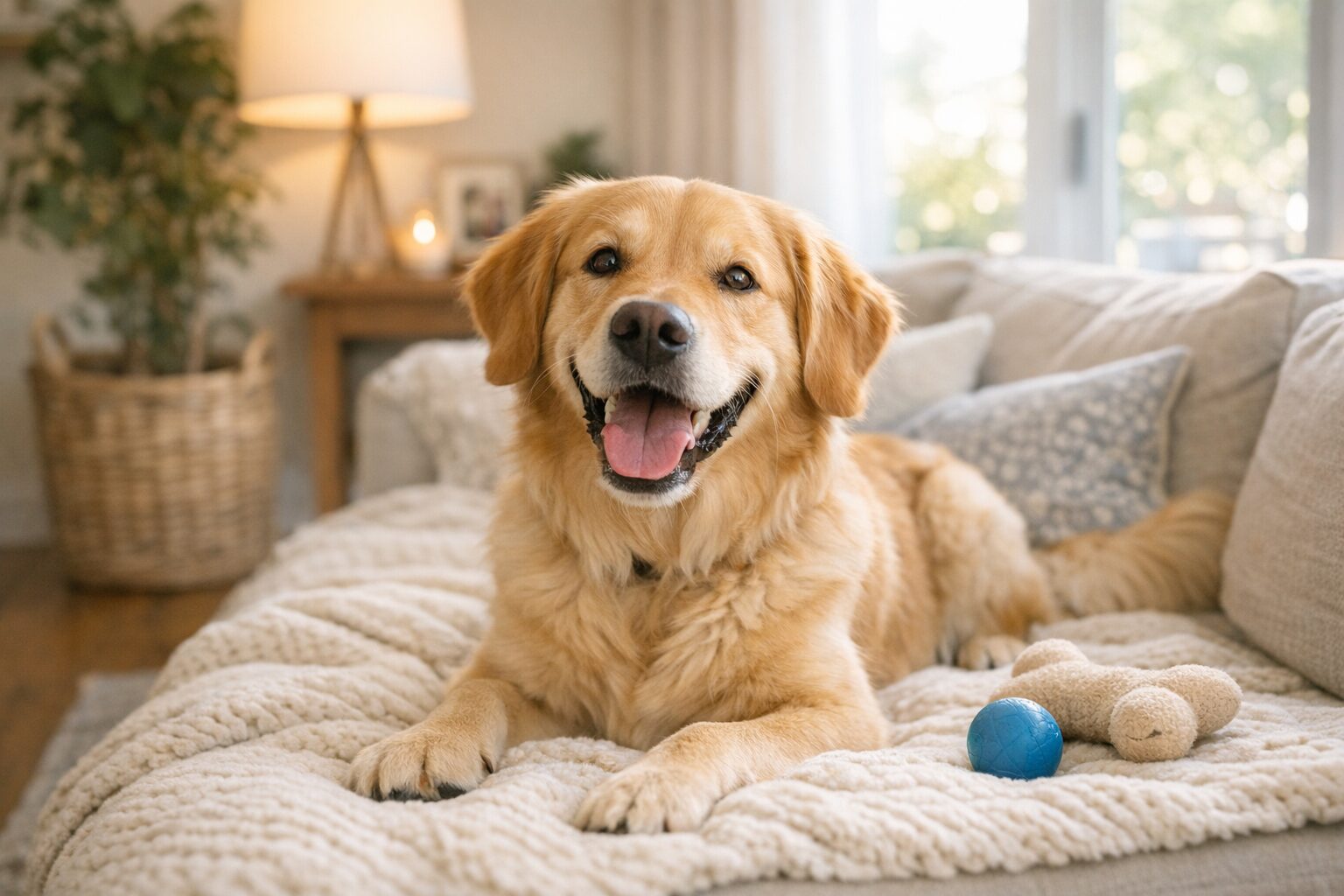
A happy dog doesn’t just wag a tail—they wag a whole dog. Look for a relaxed, side-to-side sweep that seems to start at the shoulders and ripple down the spine. Hips may sway. Feet might do a joyful “tap dance.” The tail itself can vary by breed (hello, curly Spitz and docked tails), but the vibe is loose, bouncy, and unhurried.
Surprising detail: Research shows dogs wag more to the right when they’re feeling positive and more to the left when they’re uncertain. You don’t have to chart tail angles to use this—but if you notice an asymmetrical wag plus a wiggly body and soft face, you’ve got a high-confidence happiness read.
By contrast, a high, tight, fast wag (think metronome on overdrive) or a stick-straight tail held motionless can indicate arousal or uncertainty, not bliss. Context and the rest of the body are your best clues.
Try this: When you come home, crouch sideways (less intense than head-on), soften your voice, and wait. If your dog gives a whole-dog shimmy with loose shoulders and a sweeping tail, you’re reading joy. If the body seems tight, dial back the excitement and give space so your pup can warm up at their own speed.
2. Soft Eyes and a Relaxed Face for 10 Signs Dog
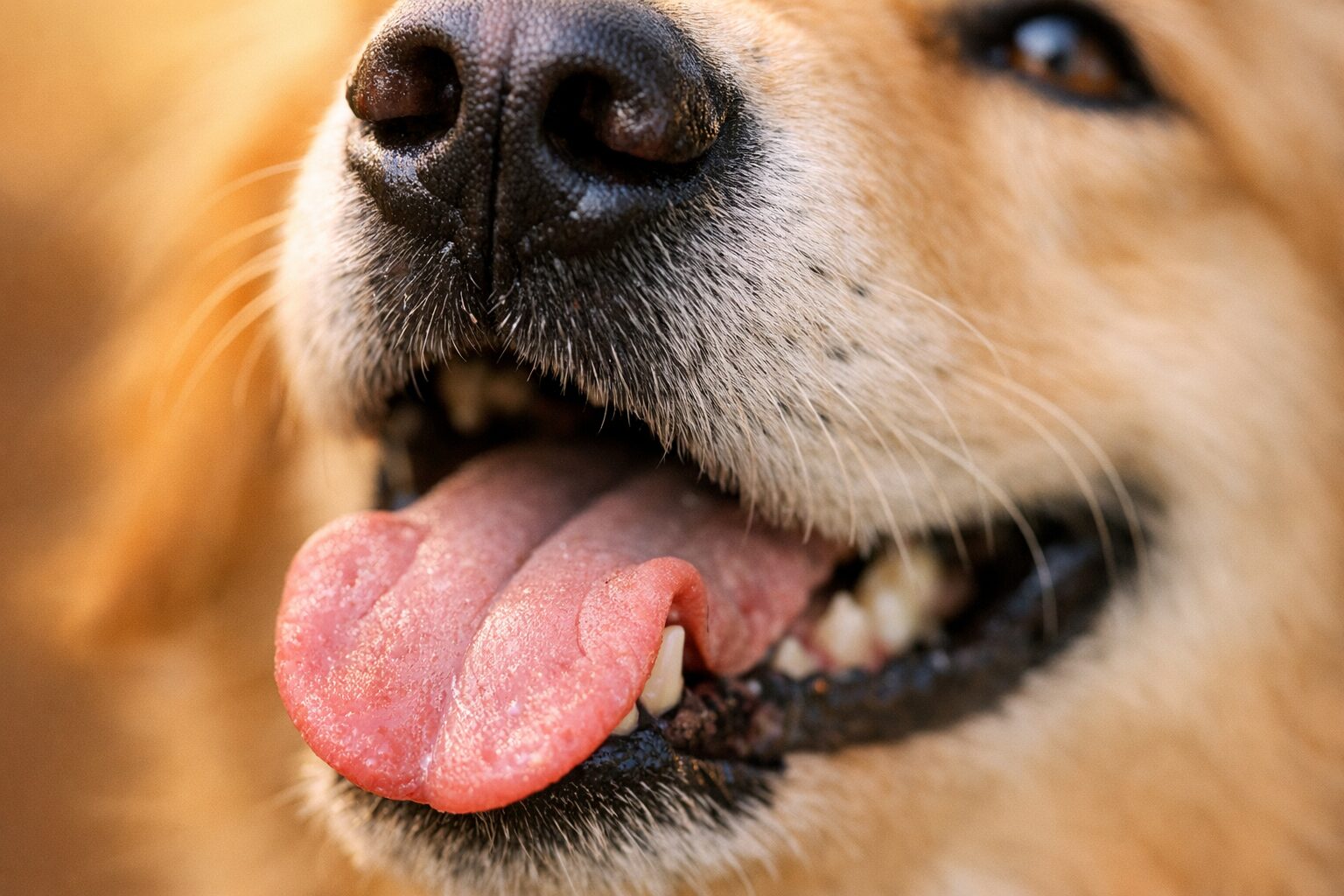
Happy faces are gentle. Eyes look almond-shaped, lids a little droopy, with slow blinks or a slight “squint.” The mouth is open and soft—corners of the lips (commissures) angle slightly back, tongue loose, and the forehead smooth. You might hear a contented huff or chuff when they settle into a comfy spot.
What it’s not: “Whale eye” (you see lots of white), a pinched mouth, tightly closed lips during rapid panting, or brows knit into worry lines. Rapid panting with a furrowed face often signals heat, pain, or stress—not happiness.
Note the “play sneeze.” Quick little snorts during roughhousing are normal; many dogs seem to sneeze as a social cue that says, “All in good fun!”
Try this: Do a 10-second face check during cuddle time. Are the eyes soft, the mouth relaxed, and the breathing easy? If not, try a lighter touch or scratch favorite zones (chest or shoulder) and pause every few seconds so your dog can lean in or move away. Consent is a happiness fast-track.
3. Curious Sniffing and Calm Exploration for 10 Signs Dog
Happy dogs are detectives. On walks, they pause, inhale, analyze, and move on with a satisfied wag. They meander, zigzag, and choose their own headlines from the neighborhood “scent newspaper.” This kind of purposeful sniffing is more than enrichment—it’s how dogs solve the world.
Here’s the kicker: Allowing sniff time can lower pulse and help dogs decompress, which means better behavior later. Overly rushed routes with constant “heel!” cues can suppress that natural curiosity and leave dogs mentally underfed even if they’re physically exercised.
Indoors, snuffle mats and scatter feeding tap the same joy. Watching a dog relaxedly nose through fleece strips for kibble is basically a live-action contentment study.
Try this: Build a 10-minute “sniffari” into each walk where you loosen requirements, lengthen the leash, and let your dog pick the pace. On rainy days, spread dinner in a snuffle mat like the Paw5 Wooly Snuffle Mat to give a calm, happiness-boosting challenge.
4. Play Bows and Bouncy Back-and-Forth for 10 Signs Dog
That classic rear-end-up, chest-down stretch? It’s a play bow—one of the clearest “I’m happy” invitations in dog language. Happy play looks like exaggerated, bouncy movement with pauses, turn-taking, and what trainers call “self-handicapping” (bigger dogs lowering themselves to match a smaller playmate). You may also see zoomies—those fabulous FRAPs (frenetic random activity periods)—with wide turns and silly faces.
Listen for a lower, rhythmic “play growl.” It’s roughhousing’s soundtrack and, alongside loose bodies and wagging tails, it’s normal. A play session that remains flexible and mutually responsive is a hallmark of positive emotion.
Play that skews into hard, one-sided chasing without breaks or shows stiff postures can be over-arousal. Step in with a cheerful “Let’s take five!” and encourage a reset. Read more: Complete Guide to the French Bulldog: Temperament, Care & Tips
Try this: Mirror your dog’s bow—yes, really—and bounce a toy away to spark a chase-return game. Tug can also be joyful if you use rules (take, tug, trade). A durable tug toy like the West Paw Toppl stuffed and frozen becomes both a game and a calming chew when play wraps up.
5. Floppy Sleep and Deep Rest for 10 Signs Dog
Contented dogs sleep a lot—generally 12–14 hours a day, more for puppies and seniors. The positions tell a story: side sprawls, frog-legs, or a belly-up “I trust this house” pose show a relaxed nervous system. Gentle twitching, paw paddling, and little squeaks usually mean REM dreams are rolling—another good sign of restorative rest.
Happy sleepers choose comfy, quiet spots and can drift off even when household life hums on. If your dog constantly seeks hard floors or paces before bedtime, consider temperature, pain, or noise; comfort plays a massive role in mood.
Try this: Create layered sleep zones (one in a low-traffic corner and one near family action) so your dog chooses what feels safest. A supportive bed—think memory foam or bolstered sides—helps bodies sink into true rest. If your pup hesitates to relax, an Orthopedic Dog Bed can make an instant difference.
6. Eager, Polite Appetite and Treat-Taking for 10 Signs Dog
Happiness often shows up as a steady, enthusiastic appetite—especially when it comes to training treats offered in new places. Dogs who can calmly take food in mildly distracting environments are usually operating under threshold (read: comfortable enough to learn and enjoy).
Watch how your dog takes treats: a gentle nibble with soft eyes is a green flag. In contrast, spitting out food, snatching with tension, or refusing a favorite snack may signal stress, pain, or nausea. So does dramatic gulping followed by immediate scanning—arousal masquerading as appetite.
Food can be a barometer. Some dogs skip meals when truly relaxed after a big day; others skip them from worry. Pattern matters more than any single bowl.
Try this: Do the “treat test” on walks. Offer a pea-sized soft treat; if your dog takes it and stays loose, keep adventuring. If they refuse or chomp and whip their head around, step back to a quieter spot or increase distance from triggers. A wearable Treat Pouch keeps rewards handy for real-time happiness checks.
7. Chooses Proximity (But Isn’t Clingy) for 10 Signs Dog
Happy dogs play the “proximity game” on their own terms. They follow you room to room, flop with a sigh at your feet, or bring a toy and settle nearby. They seek contact—leaning into a leg, tucking under a desk—then wander off for solo naps. In other words, connection with capacity for independence.
Consent again is the secret sauce. If you pause petting and your dog nudges under your hand, that’s a “yes, more please.” If they stretch and roll to expose their side while staying soft, they’re likely inviting scritches, not bracing for them.
Velcro-level attachment isn’t automatically a concern; some breeds are simply shadow pros. But relentless pacing, stress when you stand, or protest barking as soon as you leave the room can point to anxiety rather than happiness.
Try this: Use the “three-second rule.” Pet for three seconds, stop, and wait. If your pup re-engages (leans, paws, scoots closer), continue. If they yawn, lip-lick, or turn away, thank them for the feedback and offer space. Respecting no-thank-yous builds trust and, yep, more happiness.
8. Quick Recovery From Startles
Even the chillest dogs get surprised—trash can lids bang, skateboards appear, sprinklers hiss. A happy, well-supported dog may startle, assess, and then return to neutral quickly. You’ll often see a body shake-off (from head to tail, like a post-bath shimmy), a reset sniff, and then a “back to business” trot.
Recovery speed is your north star. Lingering tension, frozen stares, or lots of stress signals (tail tucked, paw lift, pinned ears) suggest your dog is still processing. No shame—just information you can use to create more distance or support next time.
Try this: Teach a cheerful “Look!” cue. When something pops up, mark the glance (“Yes!”) and feed a treat as your dog checks in. Over time, surprising stuff becomes a predictor of good things. A simple Clicker can help you time that “yes!” with laser precision in the early stages. Read more: Diabetes in Dogs: Symptoms, Treatment & Prevention
9. Offers Behaviors and Enjoys Learning
Happy dogs volunteer. They sit when unsure, tilt their heads at new cues, and experiment with paw taps or nose targets when you bring out the treat pouch. This willingness to offer behaviors is a sign of optimism—dogs expect their actions to earn clarity and rewards, not corrections.
Short, snappy training sessions that end on a win light up this feedback loop. You’ll see soft focus, relaxed ears, and a tail that keeps rhythm with your praise. If your dog’s eyes dart, body stiffens, or they disengage, the session is either too hard or too long.
Bonus: Studies in cognitive bias suggest animals in positive emotional states react more optimistically to ambiguous cues. In plain speak, a dog who expects good outcomes is likely feeling good overall.
Try this: Keep sessions to five minutes and “ladder up” difficulty gradually. Capture cute things your dog offers (a stretch, a head dip), name them, and pay well. A comfy, hands-free Treat Pouch makes rapid-fire reinforcement effortless and fun.
10. A Balanced Daily Rhythm
Happiness often hides in the in-between. Does your dog wake with a stretchy “downward dog,” enjoy a sniffy walk, nap deeply midday, play in the evening, and tuck in without fuss? That arc—movement, exploration, social time, rest—speaks volumes about well-being.
You might notice little “joy markers” threaded through the day: a prance to the door when you grab the leash, a relaxed bathroom routine (no frantic circling), a contented post-dinner flop, and a final backyard check-in with a satisfied sigh. Regular stools, normal hydration, and easy transitions between activities round out the picture.
When the rhythm wobbles—restless nights, skipped meals, irritability—check the basics first: pain, boredom, lack of choice, or routine shifts. A few tiny tweaks can get the pendulum swinging back to happy.
Try this: Do a one-week “happiness audit.” Jot down sleep amounts, walk types, social time, solo play, and training. Sprinkle in enrichment where gaps appear (a frozen West Paw Toppl after walks, a 15–30 ft Long Line for weekend sniffaris), then watch how the daily rhythm smooths out.
That’s the heart of it: the 10 signs your dog is happy aren’t flashy tricks—they’re gentle patterns. When those patterns pile up, you’re looking at a fulfilled, well-supported best friend.
FAQ
Is a wagging tail always a sign my dog is happy?
Not always. A loose, sweeping wag with relaxed body language generally signals happiness, but a high, fast, tight wag can mean arousal or uncertainty. Read the whole dog—soft eyes, bouncy posture, easy mouth—for a truer verdict.
Do zoomies mean my dog is happy or stressed?
Often happy! Zoomies (FRAPs) commonly follow baths, play, or potty breaks and look goofy and loose. If zoomies look frantic, happen in tense situations, or end with your dog unable to settle, they might be stress relief. Offer space, a sniff break, or a calm chew to help your dog reset.
How can I make my anxious dog happier?
Give more control and distance. Slow down walks, add sniff time, and use positive reinforcement to teach check-ins. Keep social and environmental exposures below your dog’s threshold, address pain with your vet, and layer in daily enrichment (snuffle mat, puzzle feeders). Small wins build confidence—and happier moods.
What are signs my dog isn’t happy?
Persistent pacing, hiding, lip-licking or yawning in non-sleepy contexts, refusal of favorite treats, changes in sleep or appetite, and a chronically tucked tail point to discomfort or stress. Rule out pain with your vet and simplify life: calmer walks, predictable routines, and choices about contact and play.
How much sleep does a happy dog need?
Most adult dogs do best with 12–14 hours in a 24-hour cycle; puppies and seniors need more. Quality matters as much as quantity—supportive bedding, quiet zones, and predictable routines help dogs sink into restorative REM sleep.
When you know what to watch for, your dog’s daily “I’m good” messages practically glow. Tune into the loose wags, the soft blinks, the curious sniffs, and the steady rhythms. Support those moments with choice, comfort, and kind training, and you’ll keep stacking the 10 signs your dog is happy—today, tomorrow, and many tail-wagging years ahead.
