
Best Pet Birds for Beginners
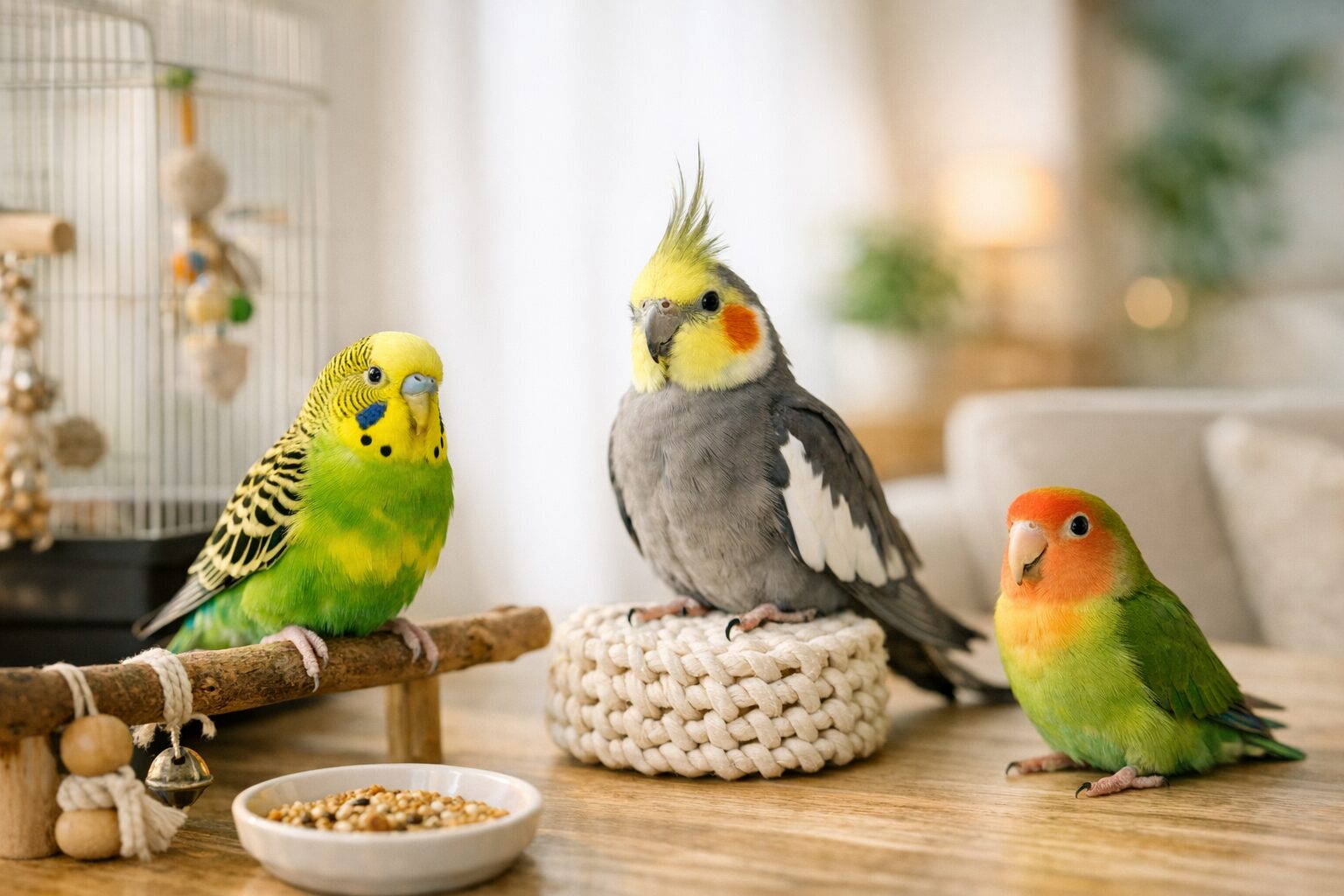
When it comes to pet birds beginners, if you’re new to pet birds, you’re probably looking for a companion that’s cheerful, relatively easy to care for, and not going to redecorate your home in feathers and millet husks every hour. The best pet birds for beginners tend to be smaller species that are social, bright, and resilient when their humans are still learning the ropes. Think friendly budgies (parakeets), mellow cockatiels, pint-size parrotlets, sweet Bourke’s parakeets, and low-touch songbirds like canaries and zebra finches. They’re wonderful—but they’re still birds: clever, sometimes noisy, a little messy, and full of opinions. This guide walks you through what these beginner-friendly species are really like so you can match your lifestyle to the right feathered roommate.
Best Products
| Product | Best For | Why It Helps | Link |
|---|---|---|---|
| Prevue Hendryx Flight Cage | Budgies, parrotlets, finches | Generous horizontal space encourages flight and reduces boredom for small birds. | Prevue Hendryx Flight Cage |
| Roudybush Daily Maintenance Mini Pellets | Balanced daily diet | Consistent pellet size supports healthy nutrition for small parrots transitioning off seed. | Roudybush Daily Maintenance Mini Pellets |
| Natural Manzanita Perches (assorted diameters) | Foot health | Varied textures and diameters prevent pressure sores and strengthen foot muscles. | Manzanita Bird Perches |
| Foraging Toy Starter Pack | Behavioral enrichment | Encourages natural problem-solving and reduces screaming and feather-plucking. | Bird Foraging Toy Pack |
| Avian-Safe HEPA Air Purifier | Dander-sensitive homes | Helps manage dust from cockatiels and keeps the air cleaner for everyone. | Bird-Safe HEPA Air Purifier |
Related Articles You Might Enjoy
Quick Facts for Pet Birds Beginners
- Who they suit: Patient first-time owners who enjoy daily interaction, gentle training, and maintaining a clean, enriched environment.
- Great beginner species: Budgerigars (parakeets), cockatiels, Bourke’s parakeets, parrotlets, green-cheeked conures (for hands-on homes), canaries and zebra finches (for mostly hands-off enjoyment).
- Typical size: 4–13 inches depending on species; most weigh 15–100 grams.
- Lifespan: Finches/canaries ~5–10+ years; budgies 8–15; cockatiels 15–25; green-cheek conures 20–30 (with excellent care).
- Noise level: Finches/canaries low; budgies/cockatiels low–moderate; conures moderate (piercing calls at times).
- Mess factor: Moderate; expect seed hulls, feathers, and the occasional veggie fling around the cage perimeter.
- Daily time needs: 30–120 minutes of interaction for parrots; songbirds require attentive care but less hands-on time.
- Space needs: A wide cage with horizontal flight room; bigger is always better for all species.
- Kid compatibility: Best with gentle, supervised older children; tiny birds are delicate.
- Veterinary care: Annual avian vet wellness exam recommended; establish a relationship early.
History and background for Pet Birds Beginners
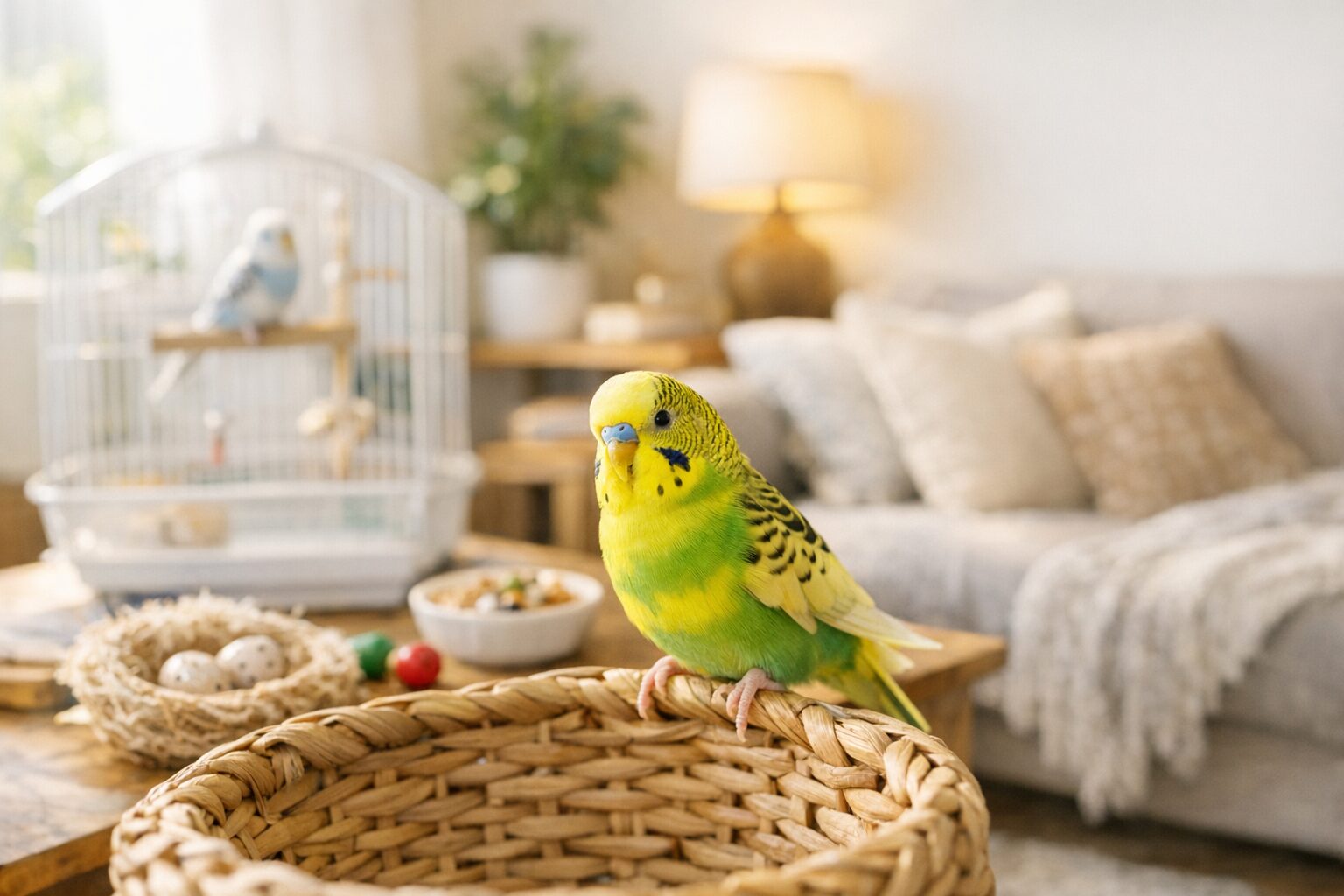
Humans have admired birds for millennia—their color, their songs, and the small miracle of flight happening right in our living rooms. Among the earliest companion birds were canaries, selectively bred in Europe beginning in the 16th century for their elaborate songs and vivid yellow plumage. Zebra finches, native to Australia, followed as hardy aviary birds with lively chatter and uncomplicated care.
Parrots came into the household mix later in a broader way. Budgerigars, or budgies, also hail from Australia and surged in popularity in the 19th and 20th centuries due to their manageable size, social nature, and dazzling colors developed through captive breeding. Cockatiels—another Australian native—won hearts with their expressive crests and famously gentle temperament. As aviculture progressed, small New World parrots like green-cheeked conures and Pacific parrotlets entered the beginner conversation: still parrots, so still smart and social, but not quite the logistical challenge of a large macaw or cockatoo.
Modern bird-keeping emphasizes welfare: captive-bred, not wild-caught; flight-friendly cages; behavioral enrichment; and veterinary care tailored to avian physiology. Ethical sourcing matters—choose reputable breeders or rescues and avoid any trade that removes birds from the wild. The beginner advantage today is information: we understand more about nutrition, mental stimulation, and how to create a home that fits a bird’s instincts rather than forcing a bird into a human mold.
Appearance for Pet Birds Beginners
Beginner-friendly birds span a rainbow of shapes and shades:
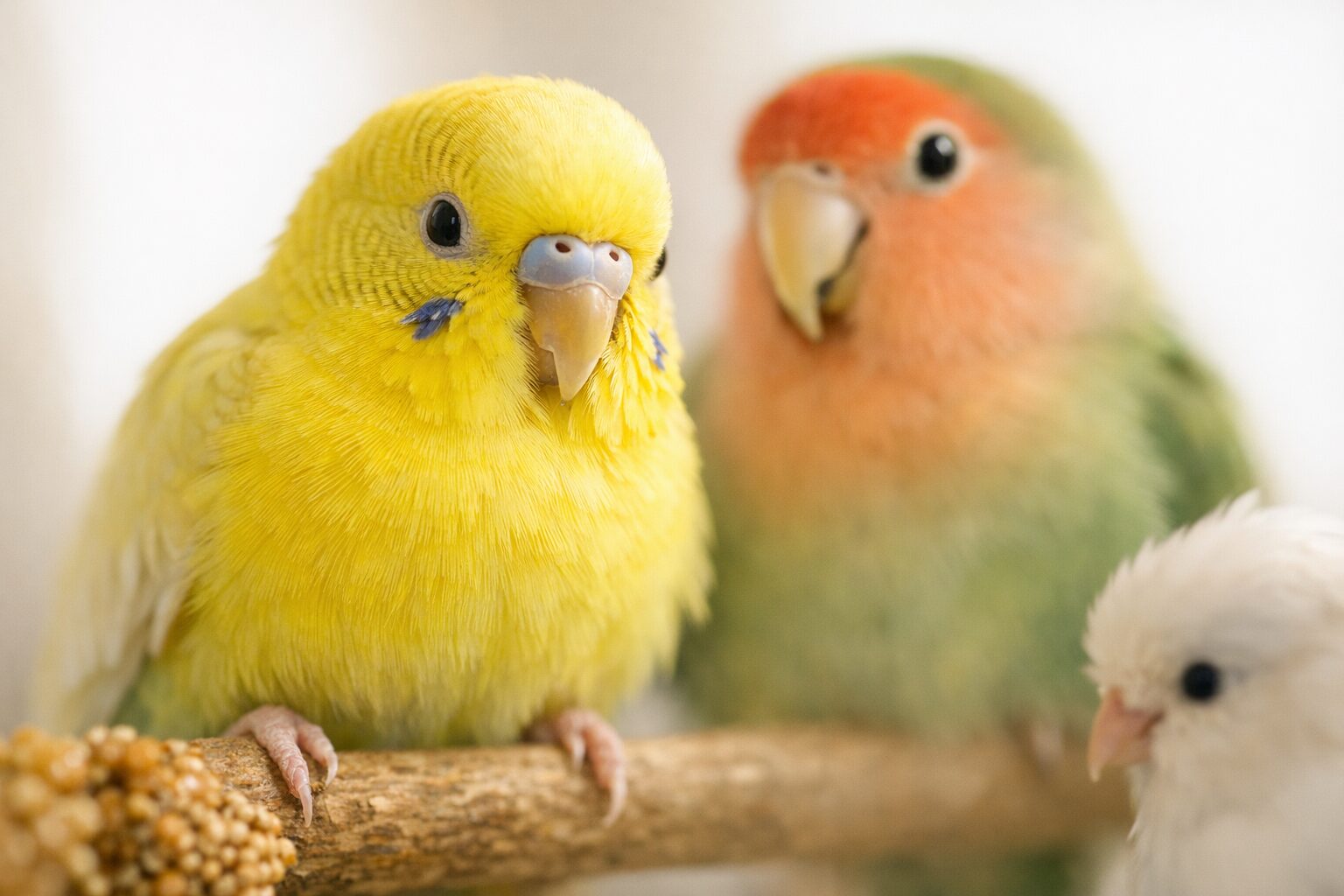
- Budgies (Parakeets): Slender, long-tailed parrots with sleek feathers in greens, blues, yellows, and white. Wild-type markings include scalloped barring on the head that recedes with age in many color varieties.
- Cockatiels: Graceful gray or pearl-patterned birds with an expressive crest and orange cheek patches. Color mutations include lutino (yellow), pied, cinnamon, and white-faced.
- Bourke’s Parakeets: Soft, pastel beauties—rosy-pink bellies with gentle browns and blues. Their build is petite and slightly rounded, giving them a calm, “gliding” look in flight.
- Parrotlets: Pocket parrots—stocky and tiny with bold personalities. Common colorations include green, blue, and yellow; they have a classic parrot silhouette in miniature.
- Green-Cheeked Conures: Compact conures with earthy greens, maroon bellies, and blue tail highlights; mutations can add turquoise, pineapple, or yellow-sided tones.
- Canaries: Small songbirds in vibrant yellows, whites, reds, and variegated patterns; body shapes range from classic sleek to showy “type” canaries with distinct silhouettes.
- Zebra Finches: Petite, with charming orange beaks and zebra-like barring; males are more vividly marked with orange cheeks.
Across species, look for bright, symmetrical eyes, clean nares (nostrils), smooth feathering with a glossy sheen, and balanced posture. A bird that sits fluffed for long periods, has dirty vent feathers, or shows overgrown beak/nails may need veterinary attention or a change in husbandry.
Temperament and personality for Pet Birds Beginners
“Beginner-friendly” isn’t code for “low-maintenance.” It means a temperament that forgives newbie mistakes, a size that’s safer in a household, and behavior that responds to patient, consistent interaction. Here’s a realistic snapshot of common personalities:
- Budgies: Social butterflies. They chatter, explore, and often enjoy flock life—either with you or a budgie friend. They can learn words and tunes but are equally happy being delightful little goofs on a rope perch. They’re energetic, which requires space and toys.
- Cockatiels: Gentle, expressive, and affectionate on their terms. Many love head scratches and whistling duets. They can be reserved at first but usually bond steadily. They do produce fine dander, so consider an air purifier if allergies run in the family.
- Bourke’s Parakeets: Serene, especially at dusk and dawn when they’re most active. Not as hands-on as cockatiels or budgies, but friendly and calm; ideal for people who enjoy observation with occasional interaction.
- Parrotlets: Tiny birds, big parrot energy. They’re clever, bold, and can be strongly bonded to their person. Handle daily, or they may turn nippy. Reward their smarts with training and foraging.
- Green-Cheeked Conures: Playful clowns with a cuddly streak. Many ride shoulders and soak up attention. They’re generally quieter than sun conures but can still deliver surprise shrieks—apartment dwellers, take note.
- Canaries and Zebra Finches: Best enjoyed as hands-off companions. Canaries sing (usually males) and finches bring constant gentle chatter and motion. They stress with heavy handling but thrive when you respect their space and provide flight room.
Across the board, temperament depends on early experiences, daily routine, and your response to their body language. A bird that trusts you will approach, preen, and play near you. A bird that’s stressed will lean away, slick its feathers, pin its eyes, lunge, or give sharp contact calls. Respect those cues and you’ll build a partnership rather than a power struggle.
Exercise and activity needs for Pet Birds Beginners
Birds are built to move. Even the calmest beginner species benefit from regular flapping and flight to keep muscles strong and minds happy.
- Cage design: Prioritize width over height with horizontal bar spacing for climbing. Add multiple perches (varying diameters), swings, ladders, and shreddable toys. Avoid clutter—leave flight lanes.
- Out-of-cage time: Parrots like budgies, cockatiels, parrotlets, and conures do best with daily supervised out time, ideally 1–3 hours broken into chunks. For canaries and finches, a roomy flight cage or aviary is usually safer than free-room flight unless your space is carefully bird-proofed.
- Rotate enrichment: Swap or reposition toys weekly. Incorporate foraging—hide pellets or treats in paper cups, palm leaf balls, or a dedicated foraging wheel.
- Safe play zones: Bird-proof a room: turn off ceiling fans, cover mirrors, remove toxic plants, keep doors and windows closed (or screened), and stash cords. Practice recall training to make going home a game, not a chase.
- Quiet time: Birds need 10–12 hours of dark, uninterrupted sleep. A consistent day-night rhythm can do wonders for mood and screaming prevention.
Training and socialization tips for Pet Birds Beginners
Training isn’t just for show birds—it’s your everyday language. Small, frequent sessions build trust and shape polite behaviors.
- Start with stationing and step-up: Teach your bird to target a perch or your finger, then step up calmly. A clicker or a consistent “good!” marker plus a tiny treat (a millet crumb or seed) works beautifully. Bird Training Clicker and Millet Spray make it easy to reinforce success.
- Use choice and consent: Offer a finger and wait. If the bird leans away, try a perch or change the angle. Forcing contact (“flooding”) can create fear and biting.
- Shape one behavior at a time: Five minutes, once or twice daily, is plenty. Keep rate of reinforcement high and end on a win. Mix in tricks like turn-around or touch-target to keep things fun.
- Desensitize common stressors: Practice towel presence (not wrapping), carrier training with treats, and gentle nail-file sessions. These pay off at vet visits.
- Mind the flock dynamic: If you keep pairs or groups, train individually to prevent resource guarding. For hands-on species, single birds may bond more closely with you but often benefit from significant daily interaction.
Remember: biting is feedback, not malice. Ask, “What did I miss?”—usually timing, pressure, or ignoring clear body language. Adjust, and try again tomorrow.
Grooming and shedding for Pet Birds Beginners
Birds are tidy by nature, but they need the right setup to maintain those glossy feathers.
- Bathing: Offer a shallow dish or mist 2–3 times weekly with room-temperature water. Some birds adore a dripping leaf or shower perch. Avoid soaps—plain water is best.
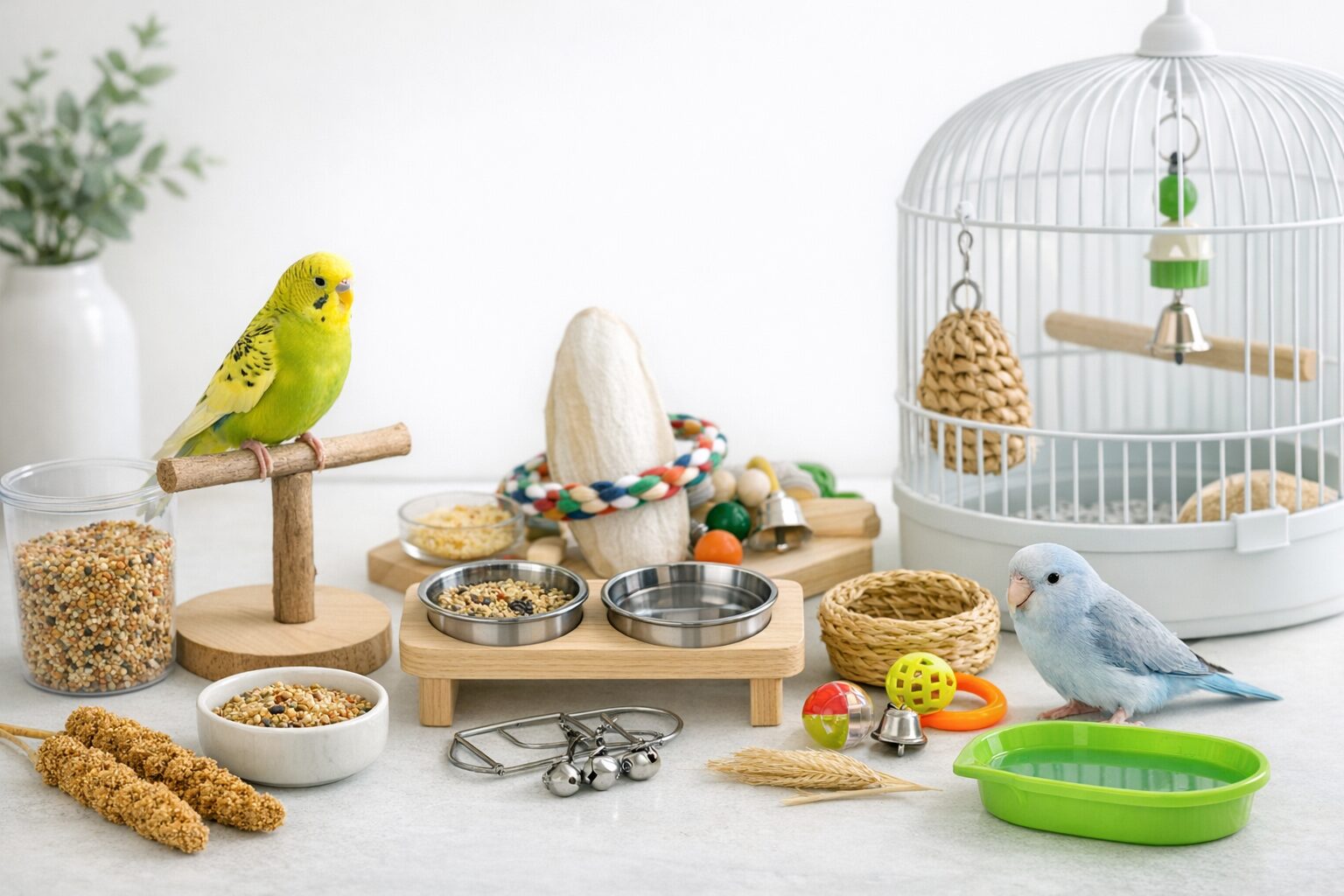
- Nails and beak: Natural perches (manzanita, cork bark) help keep nails in check. Periodic trims may be needed; consider vet or groomer assistance. Provide a cuttlebone or mineral block for gentle beak conditioning. Cuttlebone with Holder
- Molting: Expect seasonal feather shed. Increase bathing opportunities and excellent nutrition during molts. Never pull pin feathers—let them sheath off naturally.
- Dander and dust: Cockatiels and some finches produce fine powder down. A HEPA purifier and regular cage cleanings help; skip scented cleaners. Bird-Safe HEPA Air Purifier
- Lighting: Natural daylight (indirect) is ideal. If using full-spectrum bulbs, choose avian-safe options and avoid placing them too close—provide a shaded area so birds can self-regulate.
Health concerns and lifespan
Small birds hide illness like it’s their job—because in the wild it is. Your job is to notice changes early and have an avian vet in your contacts.
- Common issues: Poor diets can lead to vitamin A deficiency, obesity, and fatty liver disease. Respiratory problems arise from dusty environments or aerosols. Female birds may experience egg binding. Behavioral stress can contribute to feather destructive behavior.
- Infectious diseases: Psittacosis (Chlamydia psittaci), PBFD (psittacine beak and feather disease), and polyomavirus exist in parrot populations; canaries and finches have their own viral and bacterial concerns. Quarantine new birds for at least 30 days and consult a vet for appropriate testing.
- Red flags: Fluffed posture for hours, tail bobbing with each breath, decreased appetite, sitting at the bottom of the cage, changes in droppings, nasal discharge, or sudden personality shifts. If you see these, call your vet the same day.
- Lifespan reality check: Canaries and finches often live 5–10+ years. Budgies commonly reach 8–12 (some to mid-teens). Cockatiels often reach 15–25. Green-cheek conures may reach 20–30. Plan accordingly—this is a real commitment.
- Preventive care: Annual avian vet exams, a primarily pellet-based diet, clean water and bowls, regular weight checks (a gram scale is invaluable), and a stable sleep schedule extend quality of life.
Diet and nutrition
The fastest way to a healthier, happier bird is through the food bowl. Most beginner parrots thrive on a pellet-first diet with fresh produce and controlled treats; songbirds have similar principles with a species-appropriate twist.
- Pellets as the base: Aim for 50–70% high-quality pellets for parrots like budgies, cockatiels, parrotlets, and conures. Good choices include Harrison’s High Potency Fine, Roudybush Daily Maintenance Mini Pellets, and ZuPreem Natural Small Bird. Transition gradually by mixing pellets with current seed and using foraging to increase interest.
- Seeds as treats, not staples: Seeds are tasty but fatty. Keep to 10–20% of the diet or use in training. For budgies and finches, millet is a great high-value reward in tiny bits. Millet Spray
- Fresh foods: Offer dark leafy greens (kale, chard), orange veggies (carrot, sweet potato), bell pepper, broccoli, herbs, and small portions of low-sugar fruits (berries, apple without seeds). Chop finely for tiny beaks.
- Protein and extras: A few times a week, offer a bite of cooked egg or legumes for parrots. For canaries and finches during molt or breeding (if applicable), a species-appropriate egg food can help.
- Calcium and minerals: Provide a cuttlebone or mineral block. Parrots typically do not need grit; canaries and finches may benefit from a small amount of soluble mineral grit but avoid insoluble/sandpaper products.
- Water and hygiene: Fresh water daily. Clean bowls with hot water and a bird-safe cleaner. Avoid placing bowls under perches where droppings can contaminate them.
- Foods to avoid: Avocado, chocolate, caffeine, alcohol, xylitol, rhubarb, high-salt or high-fat human snacks, and large amounts of onion/garlic. No Teflon/PTFE/PFOA cookware fumes near birds.
For enrichment nutrition, consider balanced treats like Lafeber Nutri-Berries as part of the daily ration—they’re great for foraging and training without blowing the calorie budget.
Best Products for This Breed
- Spacious flight cage: Wide and sturdy with appropriate bar spacing. The Prevue Hendryx Flight Cage is a reliable starter that fits small parrots and finches comfortably.
- Assorted natural perches: Combine manzanita, cork, and rope perches of different diameters to promote foot health. Skip sandpaper perches—they irritate feet. Manzanita Bird Perches
- Foraging toys and shreddables: Start with an easy mix (paper cups, palm leaf balls, small puzzle feeders). A curated Bird Foraging Toy Pack keeps rotation simple.
- High-quality pellets: Keep a staple pellet on hand to avoid diet backslides. Roudybush Daily Maintenance Mini Pellets or Harrison’s High Potency Fine are solid options.
- HEPA air purifier: Especially helpful with powder-down birds (cockatiels) or allergy-prone households. Bird-Safe HEPA Air Purifier
- Travel carrier: A small, secure carrier for vet trips or emergencies. Line with a towel, add a perch, and train entry with treats. Small Bird Travel Carrier
Is This Breed Right for You?
If you want a companion that brings color, motion, and a bit of joyful chaos to your day, a beginner-friendly bird could be perfect. You’ll enjoy daily routines, quick training sessions, and the small victories—like a first confident step-up or a new whistle. You’ll accept that “sweeping up seed hulls” is now a personality trait and that weekend mornings might include a sunrise chorus.
You might be happiest with hands-off songbirds (canaries, finches) if you crave gentle sound and low handling. Choose budgies or cockatiels if you want playful interaction without the intensity of a large parrot. Try a parrotlet or green-cheek conure if you’re ready for extra training and a touch more volume. Bourke’s parakeets make soothing companions for calm homes that value observation over constant handling.
Pass if you have zero time for daily care, if your home relies on nonstick cookware that emits fumes, or if you need absolute silence. These species are forgiving, but they still require thoughtful setup, consistent routines, and your presence. Find the right match, and the best pet birds for beginners deliver years of lively, feathered company.
FAQ
What are the best pet birds for beginners if I work full-time?
Choose birds that tolerate a predictable, hands-off weekday: canaries or zebra finches are ideal since they don’t need daily handling. For hands-on species, consider a pair of budgies or a single cockatiel with morning/evening interaction and robust enrichment while you’re out. Use a timer for lights and provide foraging toys to keep minds busy.
How big should the cage be for a beginner bird?
Bigger is always better. As a baseline, aim for 30–36 inches wide for small parrots; for finches and canaries, prioritize horizontal flight space over height. Bar spacing should be 1/2 inch or less for small species. If you can’t picture two full wingbeats inside, it’s too small.
Are beginner birds loud?
Expect daily “check-in” calls and a dawn/dusk chorus. Finches and canaries are the quietest; budgies and cockatiels are moderate with chatty peaks; green-cheek conures can deliver occasional high-volume shrieks. Training, foraging, and adequate sleep reduce noise but won’t silence normal communication.
Can I keep one bird, or do they need a companion?
It depends on species and your time. Many parrots can thrive solo with ample daily interaction and enrichment. Budgies, however, are highly social and often do well in pairs if you can still commit to gentle handling. Canaries typically prefer their own space (especially males). Zebra finches are happiest in pairs or small groups.
How hard is it to switch a seed-eating bird to pellets?
It takes patience. Start by offering pellets first thing in the morning, when appetite is highest, and mix pellets into foraging toys. Crumble a few pellets over favorite veggies (“pellet dusting”) and gradually reduce seeds. Track weight weekly to ensure your bird is actually eating.
Do beginner birds need their wings clipped?
We advocate for flight when it’s safe. Flight supports physical health and confidence, and many behavior issues improve with better enrichment and training. If your space can’t be made safe, discuss a conservative, temporary clip with an avian professional—but revisit training and bird-proofing as your long-term plan.
[Note: Always consult a qualified avian veterinarian for personalized advice specific to your bird’s species and health.]